Blog ·
Does Sparx Cross-Grind? FLAT Rings Explained
Understand Sparx FLAT rings, conventional cross-grinding, FIRE hollows, and why the preparation step must be followed by the intended cut.
The consumer Sparx Sharpener 3 should not be described as a conventional cross-grinding machine. It does offer a FLAT grinding ring for removing an existing hollow and helping remove blade damage. The ES300 manual separately states that commercial and cross-grind rings are unsupported on that machine. Sources: FLAT ring information, ES300 manual.
What problem does the FLAT ring address?
The FLAT ring uses a coarse abrasive for preparation work, including removing the old hollow and assisting with nicks or gouges. It is a different tool from the ring used to produce the skater’s chosen finished hollow. Follow Sparx’s instructions for the exact machine and ring you own.
The practical question is whether the blade needs preparation beyond ordinary sharpening. Do not add aggressive material removal automatically to every maintenance session. Identify the actual damage or requested change first.
FLAT and FIRE are not interchangeable names
| Ring type | Intended role |
|---|---|
| Radius | Produces a conventional sharpening hollow |
| FIRE | Produces Sparx’s flat-bottom hollow with radius edges |
| FLAT | Removes the existing hollow or assists with damage removal before the desired finished cut |
The word “flat” can make these products sound similar, but a FIRE sharpening is a chosen skating hollow. A FLAT preparation step does not complete that same task. See the Sparx ring explanation.
What happens after a FLAT preparation step?
Restore the intended skating hollow with the appropriate finishing ring and the prescribed procedure. Finish and inspect the blade before use. Do not treat the completion of the preparation cycles as proof that the skates are ready for the ice.
If the blade still shows substantial damage, stop and assess whether further removal is sensible. A technician can help determine whether repair would leave an acceptable blade or whether replacement is the better option. A machine’s ability to remove material does not make every damaged runner worth repairing.
Do new skates always need this step?
No blanket rule should replace the manufacturer’s new-steel procedure and an inspection of the actual blade. Some new steel may already have been prepared by a retailer. Ask what work has been performed, then follow the appropriate sharpening sequence. Read how to sharpen new steel for the distinction.
Can you install a commercial cross-grind ring in a home machine?
Do not assume compatibility because an item carries the Sparx name or appears physically similar. The ES300’s unsupported-ring messages make the generation and product family important. Confirm the exact ring and machine pairing before buying or attempting to use it.
If you need frequent heavy preparation work, describe that workload to Sparx’s commercial sales team. Ask which equipment is intended for the task rather than assuming that the highest-priced consumer bundle has every commercial function.
For ordinary maintenance, see how to use Sparx. For geometry changes, read why profiling is a separate service.
— You might like
Featured products from this guide
-
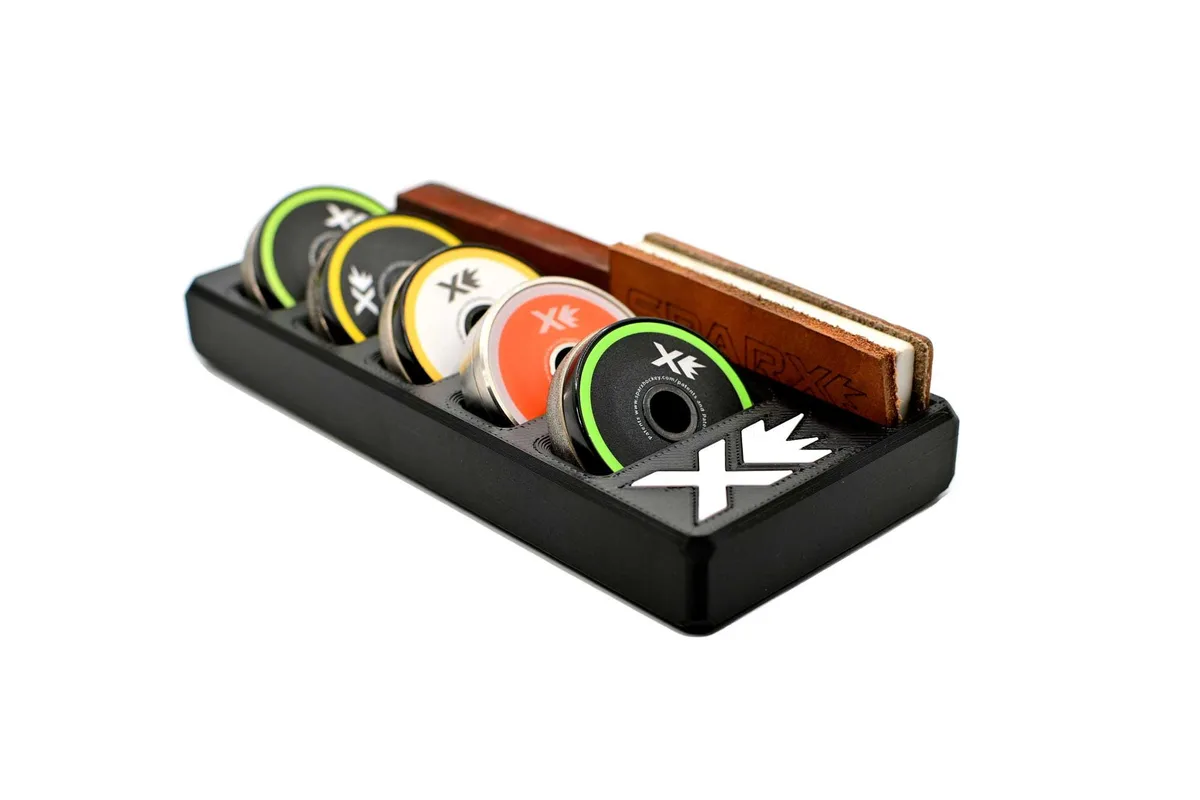 Accessories
Sparx Grinding Ring Organizer and Compact Skate Sharpener Accessory
4.9(11)$39.99 -
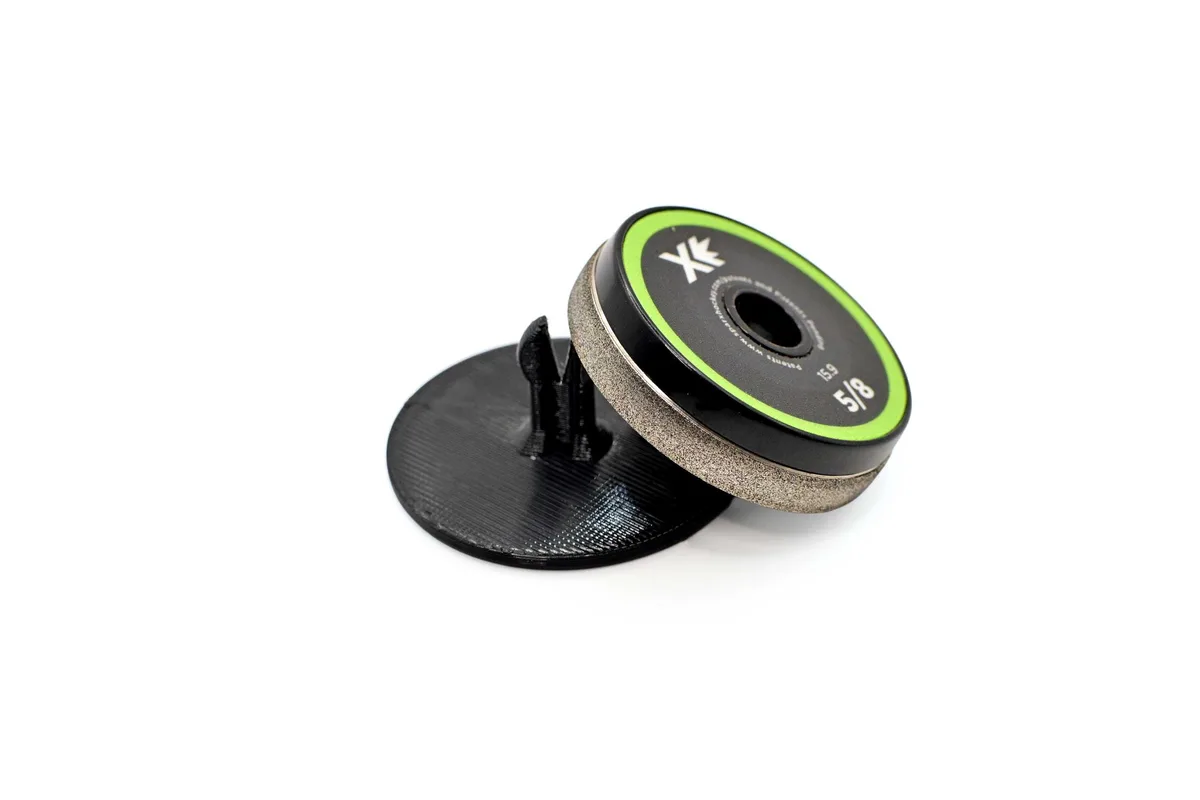 Accessories
SPARX Hockey Grinding Ring Islands in Matte Black: Precision Skate Sharpener Organization for Players
5.0(3)$24.99 -
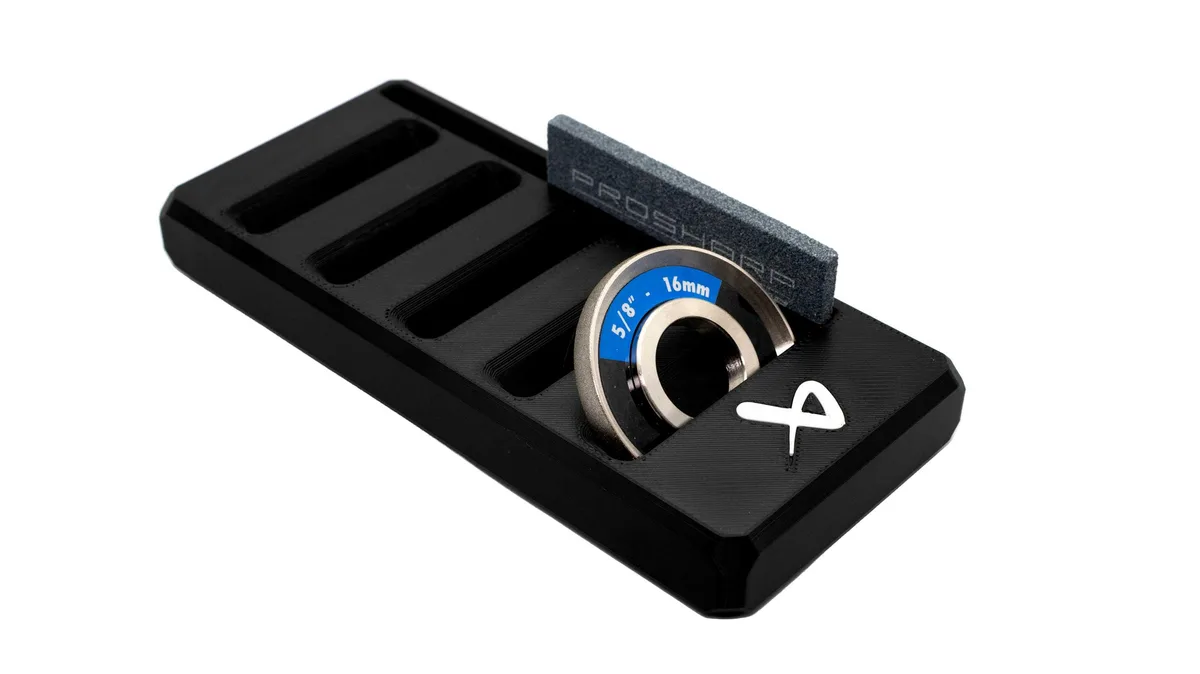 Accessories
Bauer Prosharp Grinding Wheel Organizer and Compact Skate Sharpener Accessory
5.0(2)$39.99