Blog ·
How Does a Sparx Skate Sharpener Work?
Understand the Sparx sharpening process, grinding rings, blade alignment, finishing, and the checks that still belong to the operator.
A Sparx skate sharpener holds a compatible skate blade while a motorized grinding ring travels along it to form or refresh the hollow. The machine automates the sharpening movement, while the operator selects the ring, prepares the setup, and checks the finished edges. See Sparx’s sharpening overview.
The grinding ring determines the cut
Think of the ring as the tool that supplies the chosen sharpening geometry. A Radius ring creates a traditional radius-of-hollow cut. A FIRE ring creates a different, flatter-bottomed hollow with radius edges. The Sparx ring guide describes these designs.
The practical consequence is that you should identify the skater’s current cut before selecting a ring. A player who is satisfied with an existing setup has a useful baseline. Starting with that baseline makes the first home sharpening easier to evaluate.
Alignment and height control different relationships
Alignment concerns the position of the cut across the blade. Height concerns where the ring initially meets the blade near its end. A machine can have one of those settings correct while the other needs attention.
That is why a complaint about uneven edges should not automatically lead to changing the height knob, and a concern about initial contact should not automatically lead to moving the alignment adjustment. The adjustment guide explains how to separate those questions.
Cycles control the repeated sharpening work
A cycle is an outward and return movement along a blade. The appropriate count depends on the task: light maintenance, ordinary wear, or establishing a new hollow. Follow the count guidance for your generation and verify the result instead of assuming that every blade needs the same amount of work. Source: ES300 operating manual.
This distinction also matters when comparing consumable claims. A “use,” a one-way pass, a cycle, a single skate, and a pair of skates are not necessarily the same unit. Compare costs using completed pairs under an equivalent maintenance routine.
The sharpening stage is not the final inspection
After grinding, a blade may require deburring. Then inspect its finish and check the edges with appropriate equipment. Sparx describes the desired result as even, sharp edges with a smooth finish in its quality guide.
Automation is useful because it makes a repeated motion manageable without hand-guiding every pass. It does not know every player’s preferred feel, diagnose every damaged blade, or decide that a questionable skate should be used in a game.
What does the app add?
The Sharpener 3 supports app connectivity and on-machine controls. Those features can help with operating information and organizing a sharpening routine, but the basic purchase decision should begin with blade compatibility, equipment needs, and expected use. The Sharpener 3 listing identifies its current features.
A useful home routine is simple: prepare consistently, use a known setup, inspect the result, and record changes. Read how to use Sparx for the practical workflow and whether Sparx is a good fit for an assessment of benefits and limitations.
— You might like
Featured products from this guide
-
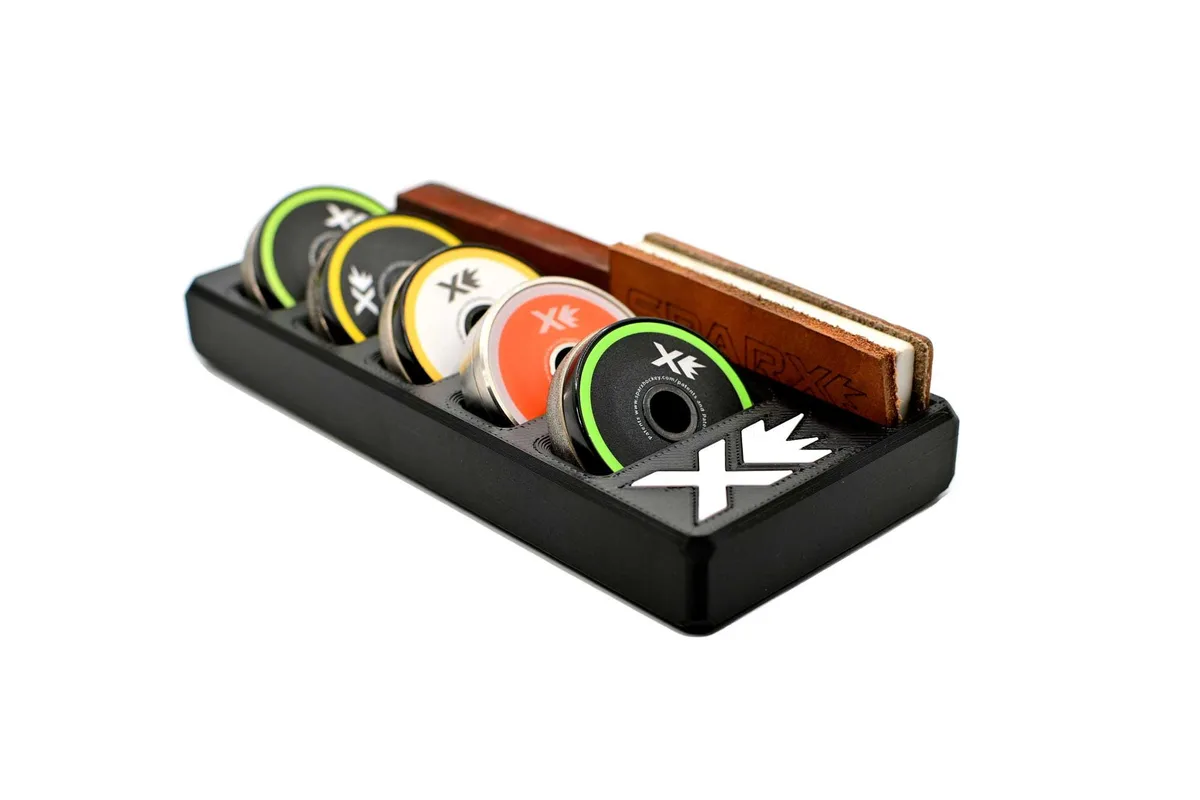 Accessories
Sparx Grinding Ring Organizer and Compact Skate Sharpener Accessory
4.9(11)$39.99 -
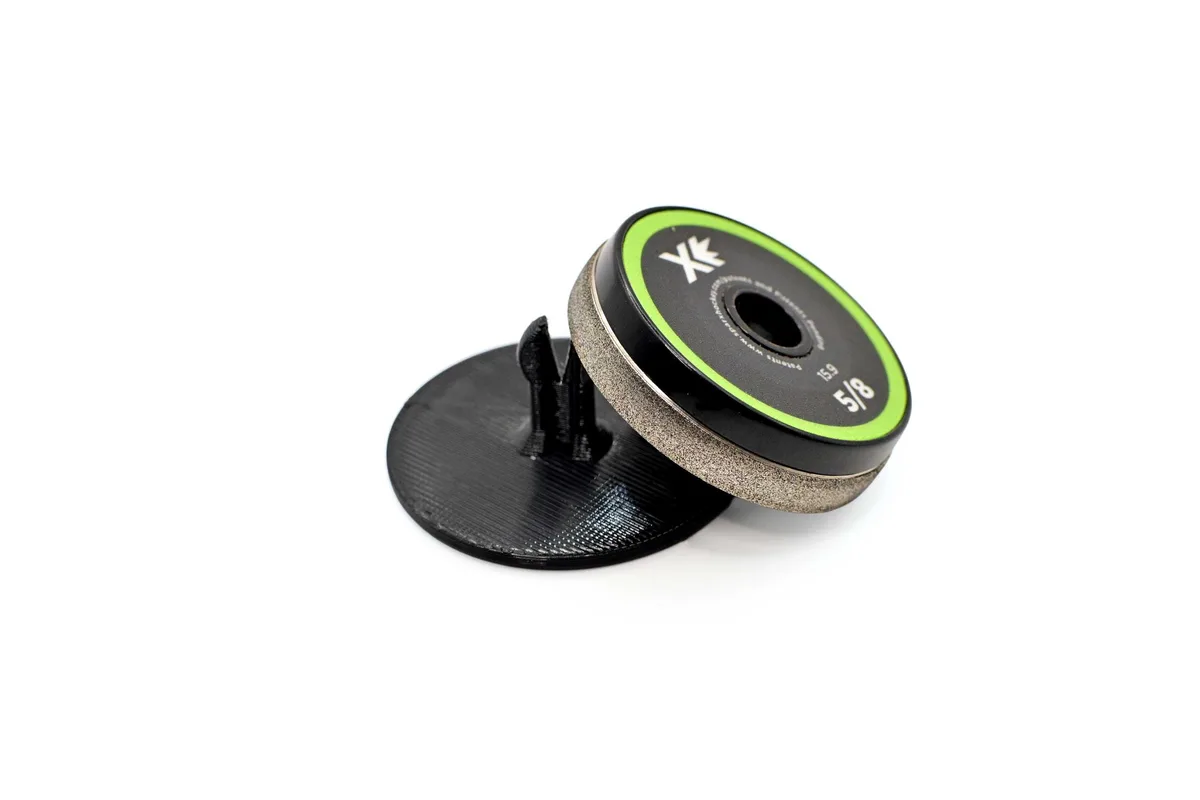 Accessories
SPARX Hockey Grinding Ring Islands in Matte Black: Precision Skate Sharpener Organization for Players
5.0(3)$24.99 -
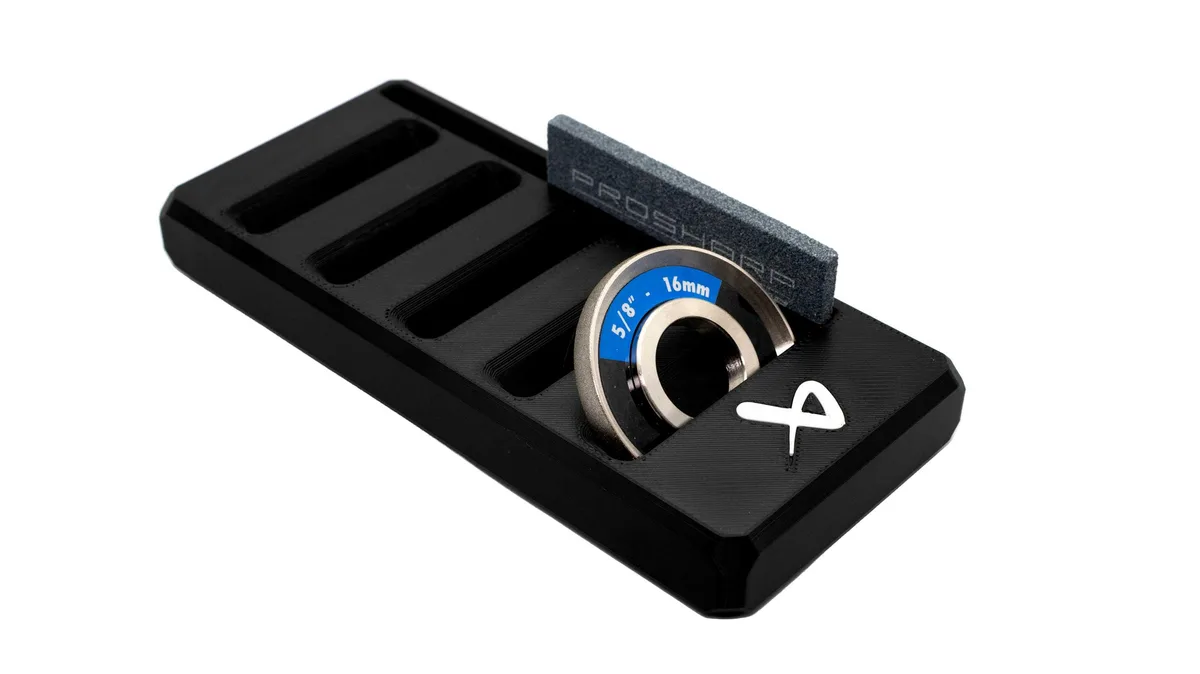 Accessories
Bauer Prosharp Grinding Wheel Organizer and Compact Skate Sharpener Accessory
5.0(2)$39.99