Blog ·
How to Winterize a Sprinter Van for Cold Weather
Cold-weather Sprinter prep for insulation, water systems, batteries, heat, tires, and condensation.
Quick answer: Winterizing a Sprinter means protecting water systems, managing condensation, preserving battery performance, and keeping heat safe and reliable.
Insulation and thermal bridges
- The DOE explains that insulation works by resisting heat flow, but compression, moisture, and thermal bridging reduce performance.
- In vans, metal ribs, window frames, door gaps, and floor edges are major cold bridges.
- Insulated window covers often provide more noticeable comfort than adding more wall insulation after the fact.
Water system protection
- Drain tanks and lines if the van will freeze unattended.
- Keep interior tanks and plumbing inside the heated envelope when possible.
- Use accessible valves, low-point drains, and food-safe antifreeze only where appropriate for your system.
Heat and ventilation
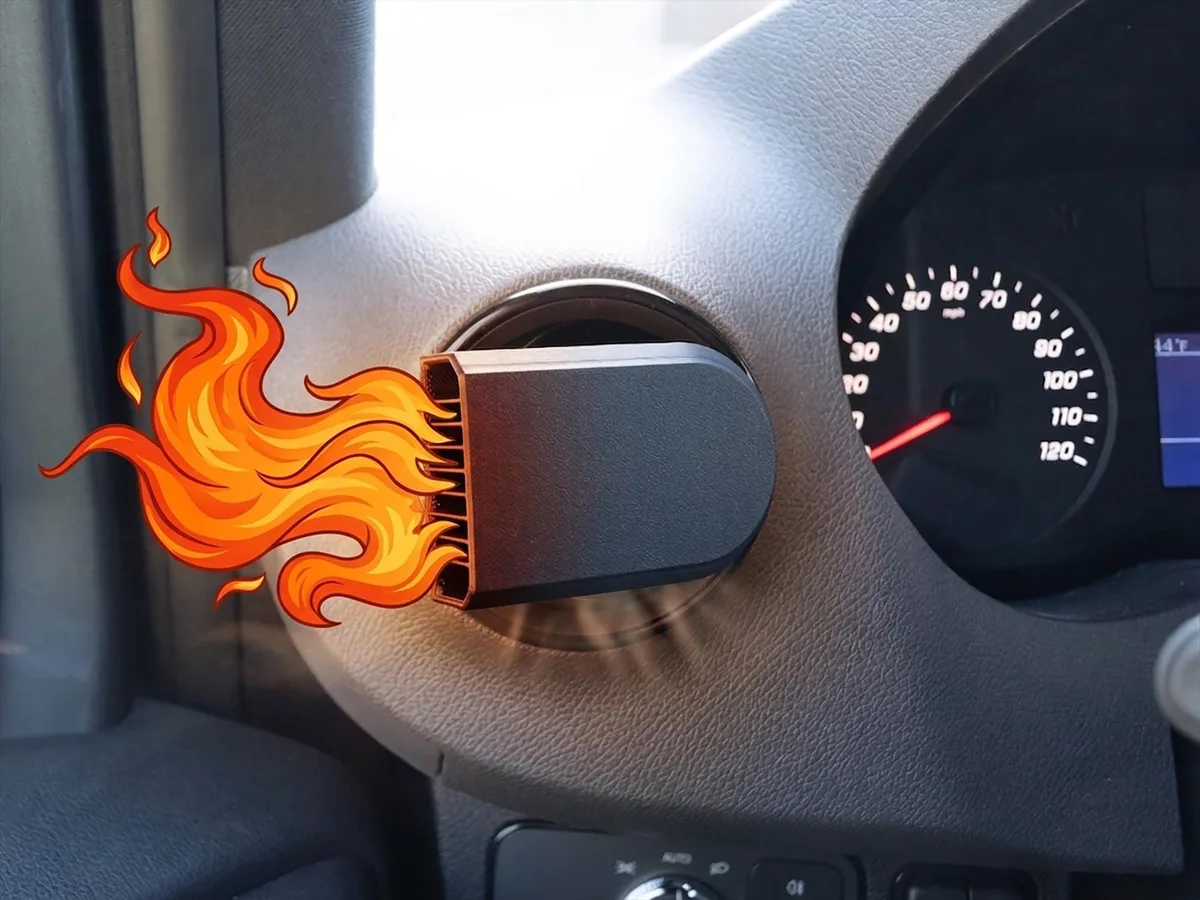
- Diesel or gasoline air heaters are popular, but installation must follow manufacturer instructions exactly.
- Even in winter, ventilation is needed to reduce condensation from breathing, cooking, and wet gear.
- Carry backup heat plans that do not rely on unsafe open flames.
Vehicle prep
- Use winter-rated tires where conditions require them.
- Check battery health, wipers, washer fluid, DEF handling, and emergency gear.
- Keep snow clear from heater intakes/exhausts and roof vents.
Quick buyer checklist
- Drain or heat-protect every water line.
- Add insulated window covers.
- Ventilate daily to control moisture.
Bottom line
The right Sprinter van accessory is the one that fits your exact van, solves a real travel problem, and can be installed, inspected, and maintained safely. Start with safety, airflow, weight, and serviceability; then add comfort and style once the layout has proven itself on real trips.
Related reading
- Best Vent Fans for Stealth Sprinter Vans
- Sprinter Van Heating: Top Accessory Recommendations
- Sprinter Van Insulation: Which Accessories Work Best?
- How Long Does a Sprinter Van Last?
Sources and research notes
- U.S. Department of Energy, Energy Saver insulation guidance: R-value, conduction, convection, radiant heat, compression, and thermal bridging basics. Accessed May 2026.
- U.S. EPA indoor air quality guidance: source control and ventilation are primary, filtration can supplement but cannot remove all pollutants. Accessed May 2026.
Note: Specifications, pricing, and product details can change. Verify fitment and ratings against your specific Sprinter model year, wheelbase, roof height, VIN, owner’s manual, and accessory manufacturer instructions before buying or installing.
— You might like