Blog ·
How Much Does It Really Cost to Build Out a Sprinter Van?
A realistic Sprinter van build budget, from the base van to electrical, insulation, cabinetry, water, labor, and contingency.
Quick answer: Most Sprinter van builds land in three bands: a basic DIY weekend setup, a mid-range self-contained camper, or a professional conversion that can cost as much as the van itself. The real number depends less on a single accessory and more on how many systems you add.
Start with the van
- For 2026, Mercedes-Benz lists Sprinter Cargo Van pricing from $48,990 before destination, taxes, options, and dealer variables.
- A 144-inch cargo van is easier to park and cheaper to build than a 170-inch or extended van, but gives up storage and layout flexibility.
- AWD, high-output engines, factory windows, suspension options, and driver-assist packages can add meaningful cost before the conversion starts.
Typical conversion cost buckets
- Electrical: battery, inverter, charger, solar, alternator charging, fuses, wire, and monitoring.
- Climate: insulation, sound deadening, ventilation fan, window covers, heater, and possibly air conditioning.
- Interior: floor, walls, ceiling, bed, galley, cabinets, lighting, seating, and tie-downs.
- Water: fresh tank, gray tank, pump, sink, filtration, shower, and winterization parts.
- Safety and road gear: recovery kit, locks, fire extinguisher, carbon monoxide alarm, tire tools, and maintenance reserves.
Where people underestimate cost
- Small parts add up: adhesives, fasteners, trim, connectors, sealants, brackets, and specialty tools.
- Professional labor is expensive because clean van builds require carpentry, metal work, 12V wiring, plumbing, and vehicle-safe mounting.
- Shipping is often high for large accessories such as roof racks, tanks, panels, flooring, and cabinetry.
Budget recommendation
- Price the van, then build a spreadsheet with three columns: must-have now, upgrade later, and luxury.
- Keep a contingency line of at least 10-20% for mistakes, tool purchases, and unexpected compatibility issues.
- Spend first on electrical safety, ventilation, insulation, seat/bed mounting, tires, and security before cosmetic upgrades.
Quick buyer checklist
- Confirm wheelbase, roof height, payload, and GVWR before buying accessories.
- Weigh the van after major build phases.
- Avoid financing a fully custom build without a maintenance reserve.
Bottom line
The right Sprinter van accessory is the one that fits your exact van, solves a real travel problem, and can be installed, inspected, and maintained safely. Start with safety, airflow, weight, and serviceability; then add comfort and style once the layout has proven itself on real trips.
Related reading
- How Much Does a Complete Sprinter Van Build Cost?
- DIY vs. Professional Sprinter Van Build: Cost Comparison
- How to Avoid Common Sprinter Van Build Mistakes
- How to Make Money with a Sprinter Van
Sources and research notes
- Mercedes-Benz Vans USA, 2026 Sprinter lineup and cargo van specs: pricing from $48,990, 144-inch cargo van dimensions, 319 cu. ft. cargo volume, 68-inch standing height, 5,000-lb max towing on listed 2500 cargo configurations, and up to 20,000-mile service interval claims. Accessed May 2026.
- U.S. Department of Energy, Energy Saver insulation guidance: R-value, conduction, convection, radiant heat, compression, and thermal bridging basics. Accessed May 2026.
Note: Specifications, pricing, and product details can change. Verify fitment and ratings against your specific Sprinter model year, wheelbase, roof height, VIN, owner’s manual, and accessory manufacturer instructions before buying or installing.
— You might like
Featured products from this guide
-
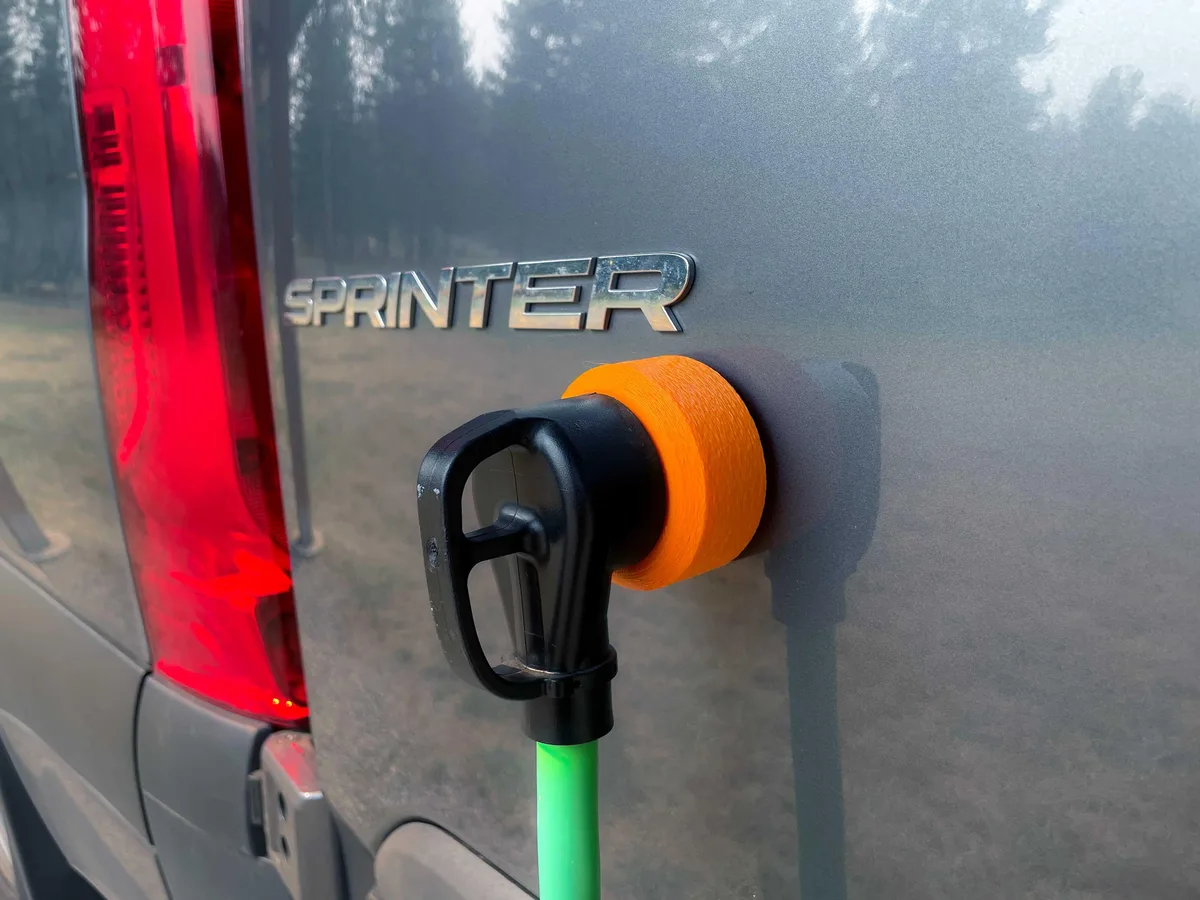 New Accessories
RV Plug Universal Wall Mount – Holder & Adapter Storage for 50A, 30A, 15A Plugs
from$24.99 -
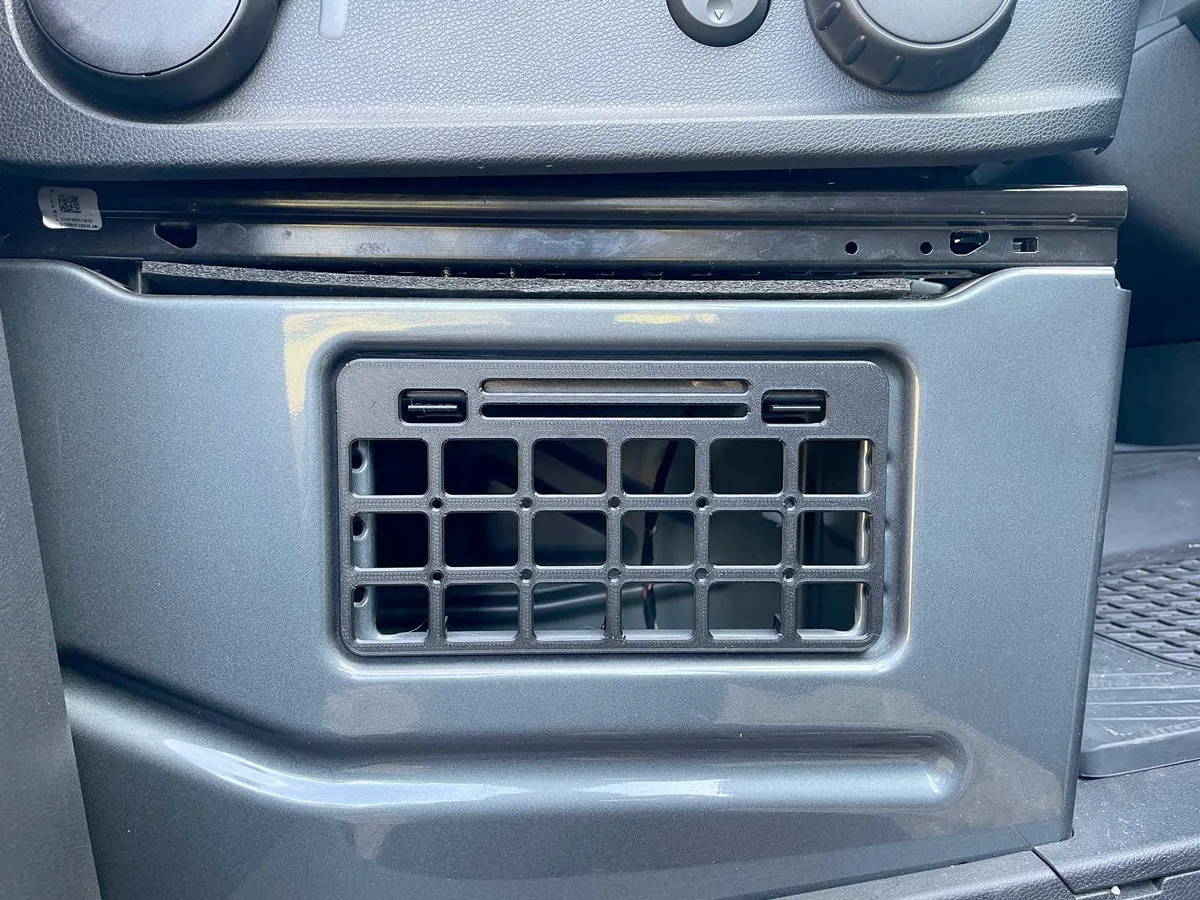 Storage & Organization
Mercedes Sprinter Van Vent and Molle Accessories Panel Seat Storage Cover 2019+
4.9(11)$24.99 -
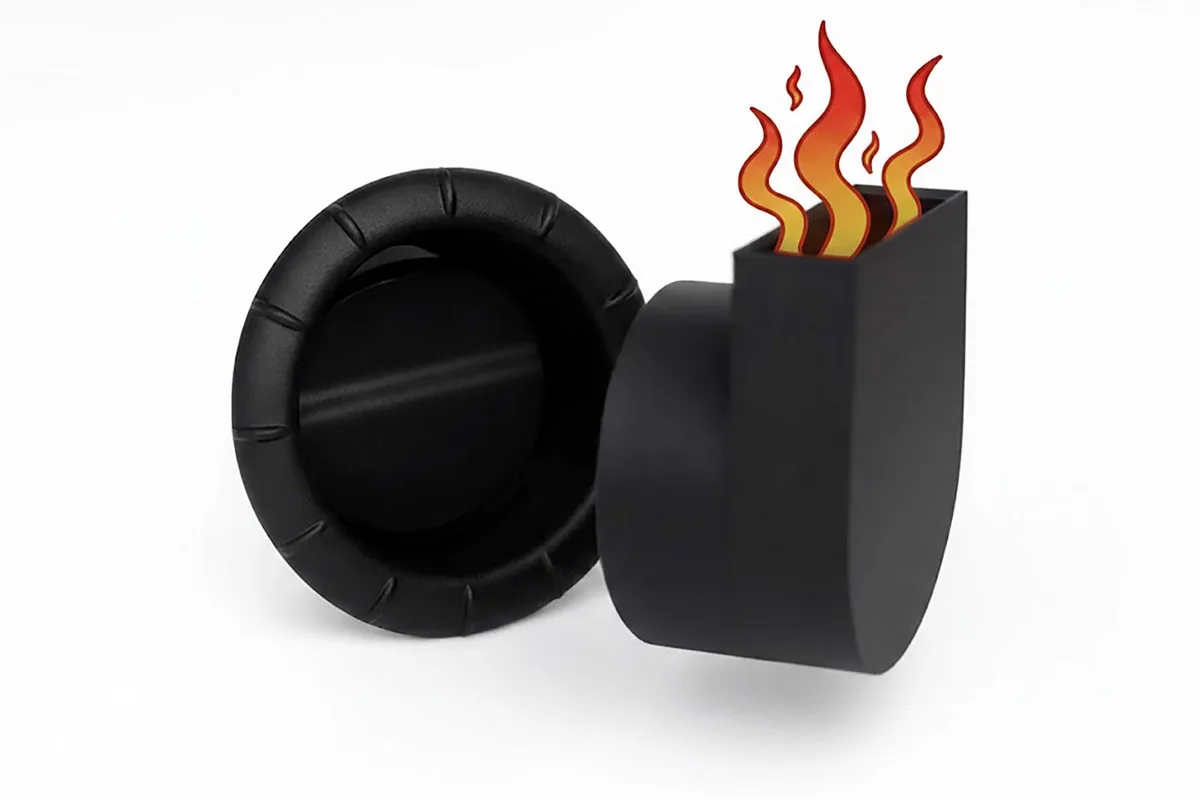 Climate & Ventilation
Adjustable Air Vent for Truma Combi used in Camper Vans, Boats
5.0(16)from$19.99