Blog ·
Sprinter Van Insulation: Which Accessories Work Best?
A practical insulation guide for Sprinter vans, including R-value, thermal bridging, moisture, sound control, and window covers.
Quick answer: Good van insulation is a system: cavity insulation, thermal-bridge management, vapor-aware installation, ventilation, floor treatment, and insulated window covers.
Insulation basics
- The DOE explains R-value as resistance to conductive heat flow; higher R-value generally means better resistance.
- But real-world performance depends on installation, compression, moisture, and thermal bridging.
- Vans have many thermal bridges because the metal body connects inside and outside surfaces.
Common materials
- Thinsulate-style automotive insulation is popular because it handles irregular cavities and moisture better than many rigid approaches.
- Rigid foam can work on floors or flat areas but must be detailed around gaps.
- Wool is popular for natural-fiber builds but still needs moisture-aware installation.
- Reflective materials need an air gap to work as radiant barriers.
Do not forget windows
- Glass loses and gains heat quickly.
- Insulated window covers often produce the biggest comfort improvement for the money.
- Cover windshield, cab doors, rear doors, and any camper windows.
Ventilation still matters
- Insulation does not remove moisture.
- A fan and controlled fresh-air path help manage condensation from breathing, cooking, wet clothes, and pets.
Quick buyer checklist
- Do not compress insulation.
- Treat windows as part of the insulation system.
- Leave drainage and weep paths functional.
Bottom line
The right Sprinter van accessory is the one that fits your exact van, solves a real travel problem, and can be installed, inspected, and maintained safely. Start with safety, airflow, weight, and serviceability; then add comfort and style once the layout has proven itself on real trips.
Related reading
- Pet-Friendly Sprinter Van Accessories
- Remote Work Setup in a Sprinter Van
- Sprinter Van Heating: Top Accessory Recommendations
- What Accessories Make a Sprinter Van More Livable?
Sources and research notes
- U.S. Department of Energy, Energy Saver insulation guidance: R-value, conduction, convection, radiant heat, compression, and thermal bridging basics. Accessed May 2026.
- U.S. EPA indoor air quality guidance: source control and ventilation are primary, filtration can supplement but cannot remove all pollutants. Accessed May 2026.
Note: Specifications, pricing, and product details can change. Verify fitment and ratings against your specific Sprinter model year, wheelbase, roof height, VIN, owner’s manual, and accessory manufacturer instructions before buying or installing.
— You might like
Featured products from this guide
-
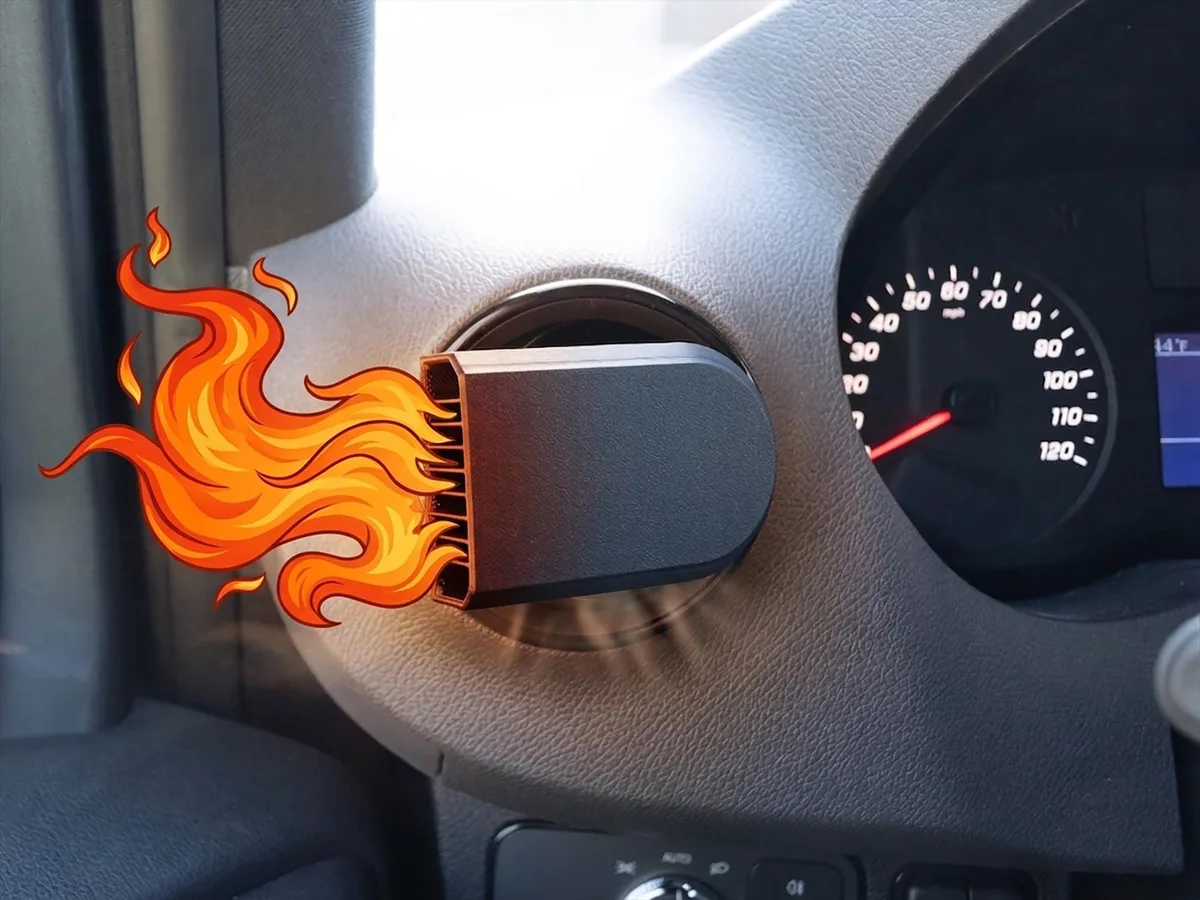 Climate & Ventilation
Defrost Sprinter Van Side Windows, Avoid Window Fogging
4.8(9)from$24.99 -
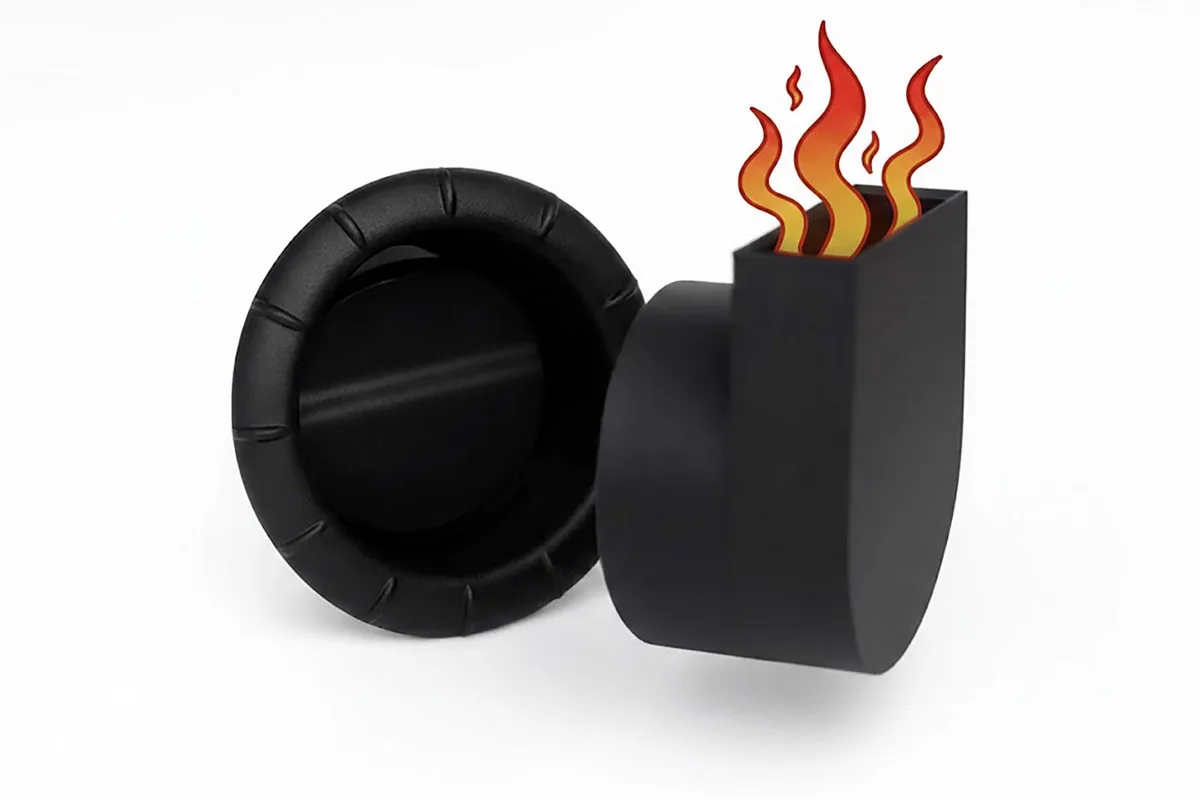 Climate & Ventilation
Adjustable Air Vent for Truma Combi used in Camper Vans, Boats
5.0(16)from$19.99 -
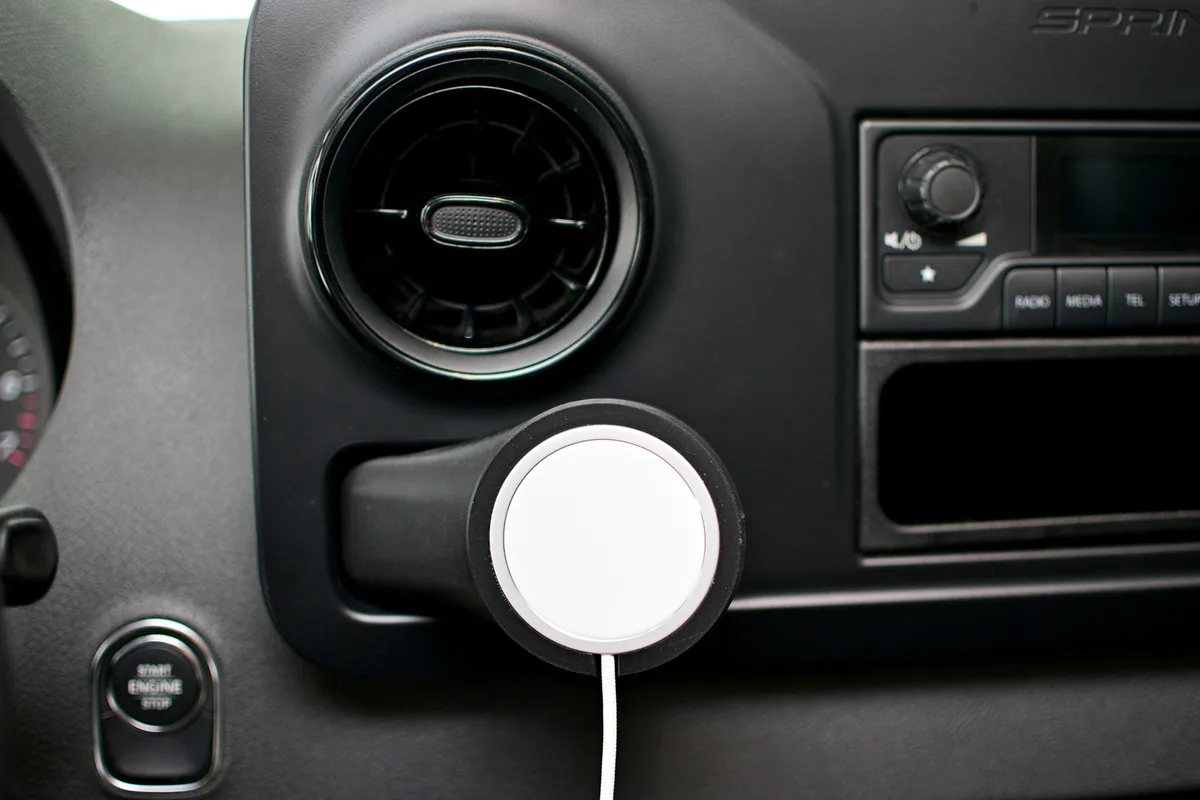 ★ Best seller Phone Mounts
Mercedes Sprinter Van Cubby MagSafe Phone Mount 2019+
5.0(16)from$34.99