Blog ·
Are Sprinter Vans Diesel?
Learn whether Sprinter vans use diesel, gasoline, or electricity, how to identify your engine, and why fuel and DEF must never be mixed.
Many Sprinter vans use diesel, and the current U.S. combustion-engine lineup is diesel. However, gasoline Sprinters were sold in some earlier model years, and the eSprinter is electric. Check the individual vehicle before refueling.
Identify the engine before choosing fuel
The Sprinter name describes a vehicle family, not one fuel type. A rental description, rear badge, or seller’s casual use of the word “gas” is not enough to establish what belongs in the tank.
Read the fuel-door label and the model-year owner’s manual. If information is missing, have the VIN checked by a Mercedes-Benz Vans dealer. This matters particularly on used vans, imported vehicles, and camper conversions where bodywork may have changed.
The current U.S. cargo-van specifications identify diesel engines. The eSprinter is a separate electric offering; it does not take gasoline or diesel for propulsion.
Does a gasoline Sprinter take regular gas?
Do not assume that a gasoline engine permits the lowest available octane. The minimum octane, fuel specification, and any permitted temporary alternative are model-specific. Follow the fuel label and owner’s manual, rather than another owner’s recommendation for a different year.
Likewise, a diesel owner should follow the specified diesel grade and permitted biodiesel blend. Pump handles are not consistently color-coded across stations, so read the pump label every time.
Diesel fuel and DEF are different
Diesel exhaust fluid, or DEF, is used by applicable emissions systems and belongs in its own reservoir. It is not a fuel additive. Never pour DEF into the diesel tank or diesel into the DEF reservoir.
If the wrong fluid is added, stop and get model-specific assistance before starting or continuing to operate the vehicle. Running the engine can spread contamination and turn a draining problem into a larger repair.
Choosing a powertrain for your use
Consider daily mileage, service access, payload, and the kinds of trips you make. Evaluate an electric van around real route distance, charging access, and loaded operation. For a used diesel or gasoline van, prioritize condition and maintenance evidence over a fuel-type label alone.
Buying a diesel Sprinter
Confirm the exact engine and its maintenance history before assuming diesel is the right choice. Consider the distances you travel, the amount of idling, and access to qualified service. Compare total ownership cost, not just fuel economy, with another suitable powertrain.
Related reading
— You might like
Featured products from this guide
-
 Emblems & Badges
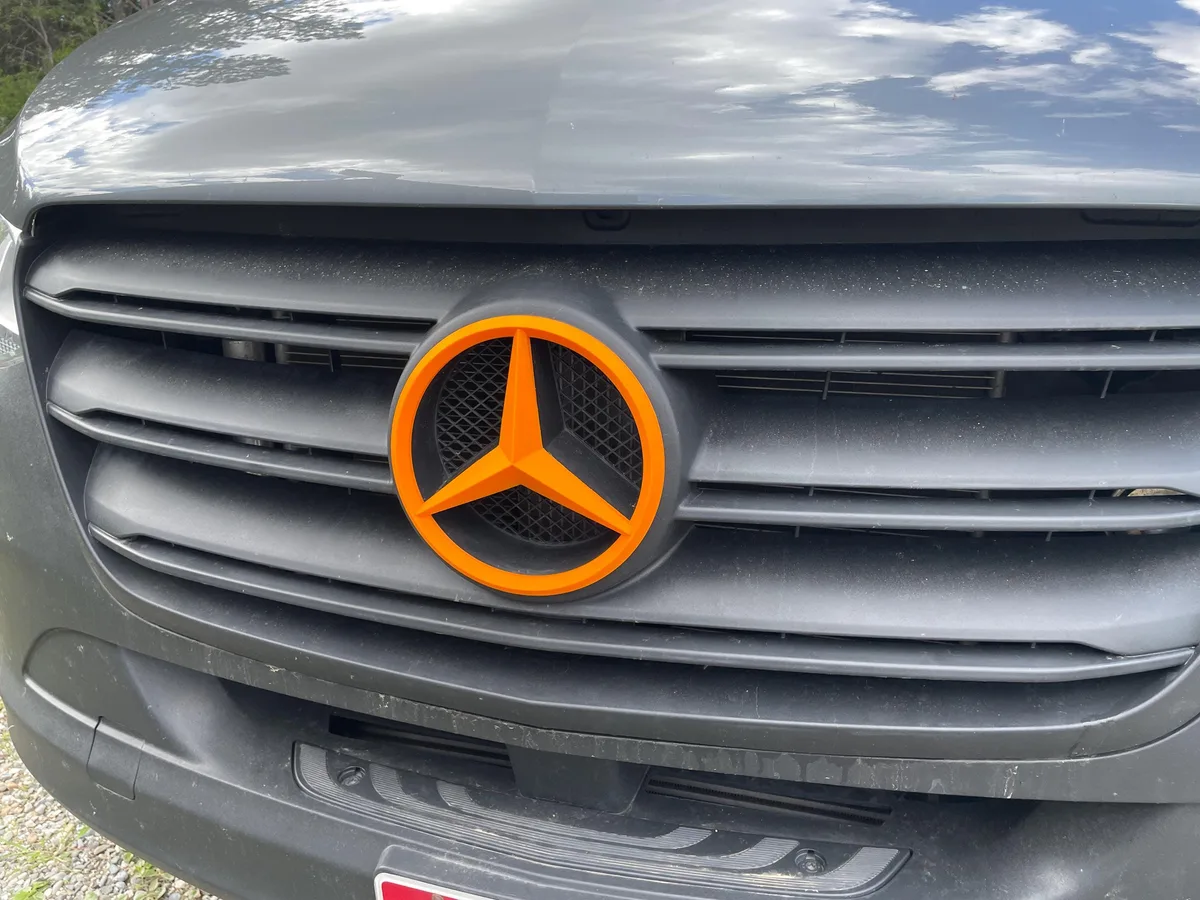
Mercedes Sprinter Front Star Emblem Upgrade | Custom Hood Ornament for 2019+ Vans | Camper Accessory
4.9(18)from$39.99 -
 Emblems & Badges
Mercedes Sprinter Van Personalized Rear Door Emblem
4.8(21)from$39.99 -
 Emblems & Badges
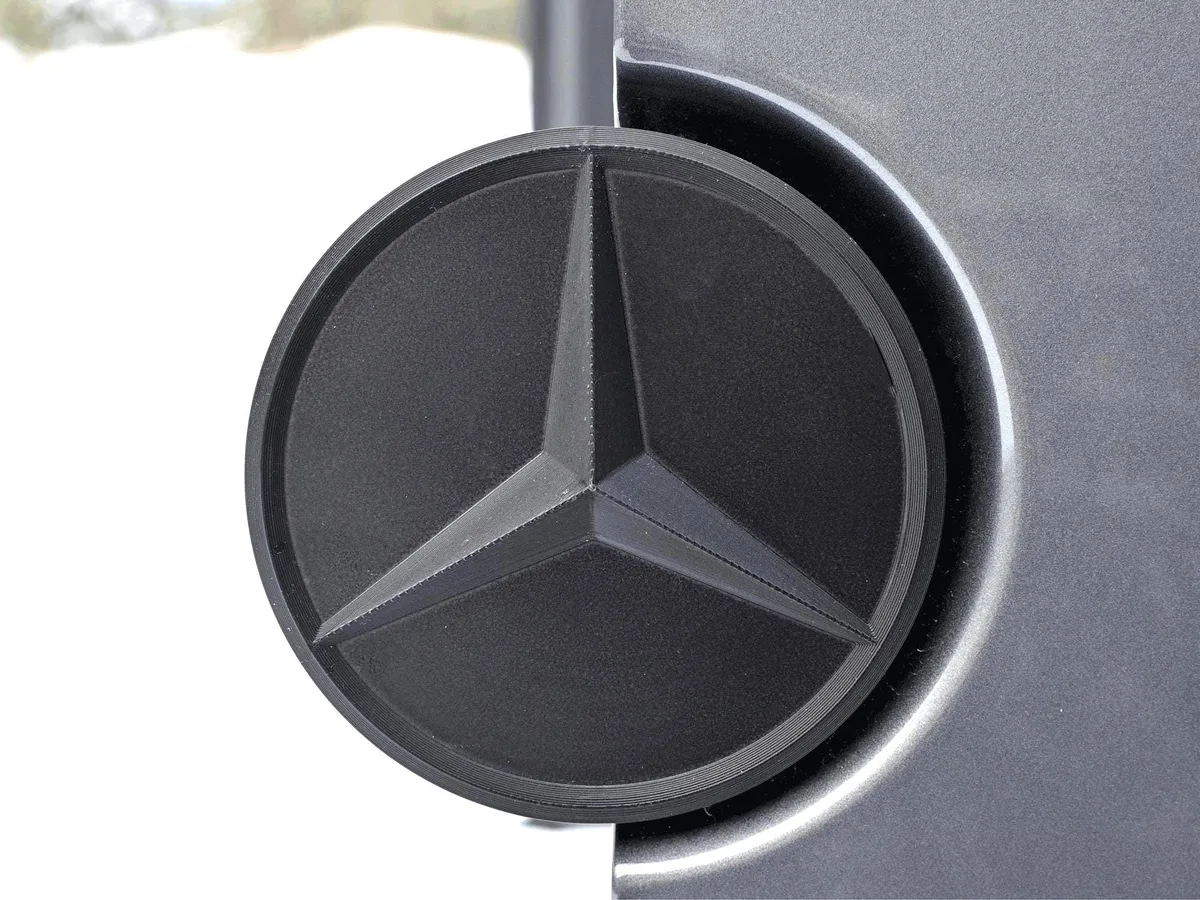
Mercedes Sprinter Van Rear Door Flat Black Star Emblem 2007+
4.8(11)$39.99