Blog ·
When Did Sprinter Vans Start Using DEF?
Learn when U.S. Sprinters began using DEF, how to check the chassis model year, and what DEF means for maintenance and used-van buying.
For U.S.-market diesel Sprinters, the usual changeover to DEF-based exhaust aftertreatment is the 2010 model year. Do not apply that date to every international vehicle or judge an individual van solely by its registration year.
What DEF does
Diesel exhaust fluid supports selective catalytic reduction, usually abbreviated SCR, to reduce nitrogen-oxide emissions. It is stored separately from diesel fuel and metered into the exhaust system. It is not an additive you pour into the fuel tank.
DEF and a diesel particulate filter perform different jobs. A vehicle can have particulate-control equipment without using the same DEF system as a later vehicle. “Pre-DEF” therefore does not mean “no emissions equipment.”
How to check an individual Sprinter
Find the VIN model year, emissions label, and applicable operating manual. Look for the vehicle’s specified DEF filling point and instrument messages. Mercedes-Benz’s manual archive includes 2010 and later documents, allowing owners to check the equipment and instructions for the relevant year.
The year first registered, the converter’s model year, and the chassis model year can differ on a camper. Use the chassis information when identifying the engine and emissions system.
What owners need to plan for
Follow the specified fluid standard and filling procedure. Keep containers clean, avoid contamination, and respond to warnings before a trip. Warning and restart-restriction behavior depends on the model; a generic internet reset procedure is not a substitute for the owner’s instructions.
A DEF-related message can involve low fluid, poor fluid quality, a sensor, dosing equipment, or another fault. Repeatedly topping up an already adequate reservoir is not a reliable diagnosis.
Is a pre-DEF van a better buy?
An older van may have fewer aftertreatment components, but it also has more years of exposure, corrosion risk, and aging hoses, wiring, and seals. Compare the whole vehicle’s condition and repair history.
Request an emissions-system inspection on any used example, especially if the seller advertises removed equipment or unexplained software changes. A documented, intact system and a knowledgeable service shop are more useful ownership advantages than an unsupported claim that one era never has problems.
Related reading
— You might like
Featured products from this guide
-
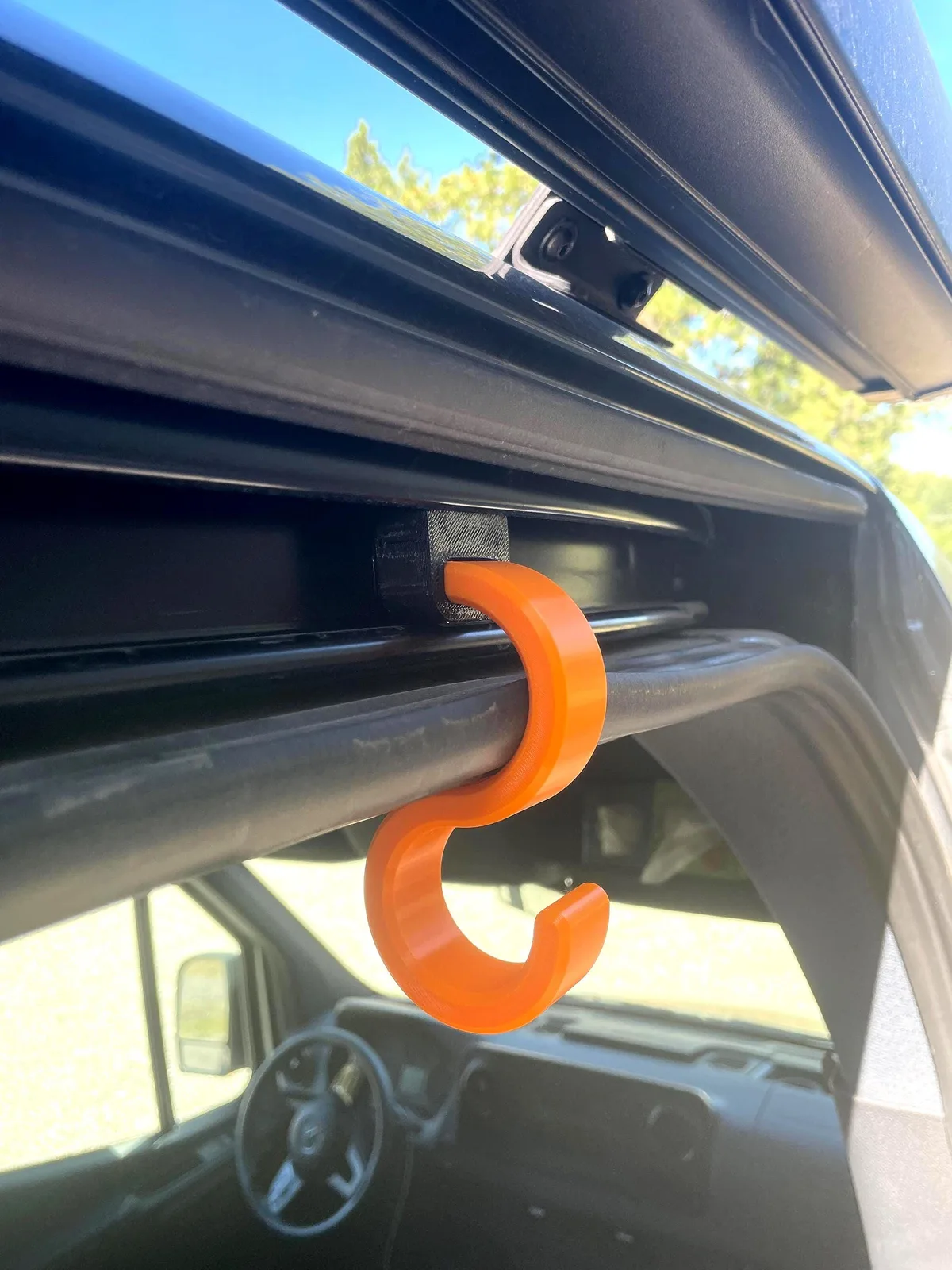 Door Hardware
Sliding Doorstop and Drying Hook for 2007+ Mercedes Sprinter Vans
5.0(9)from$24.99 -
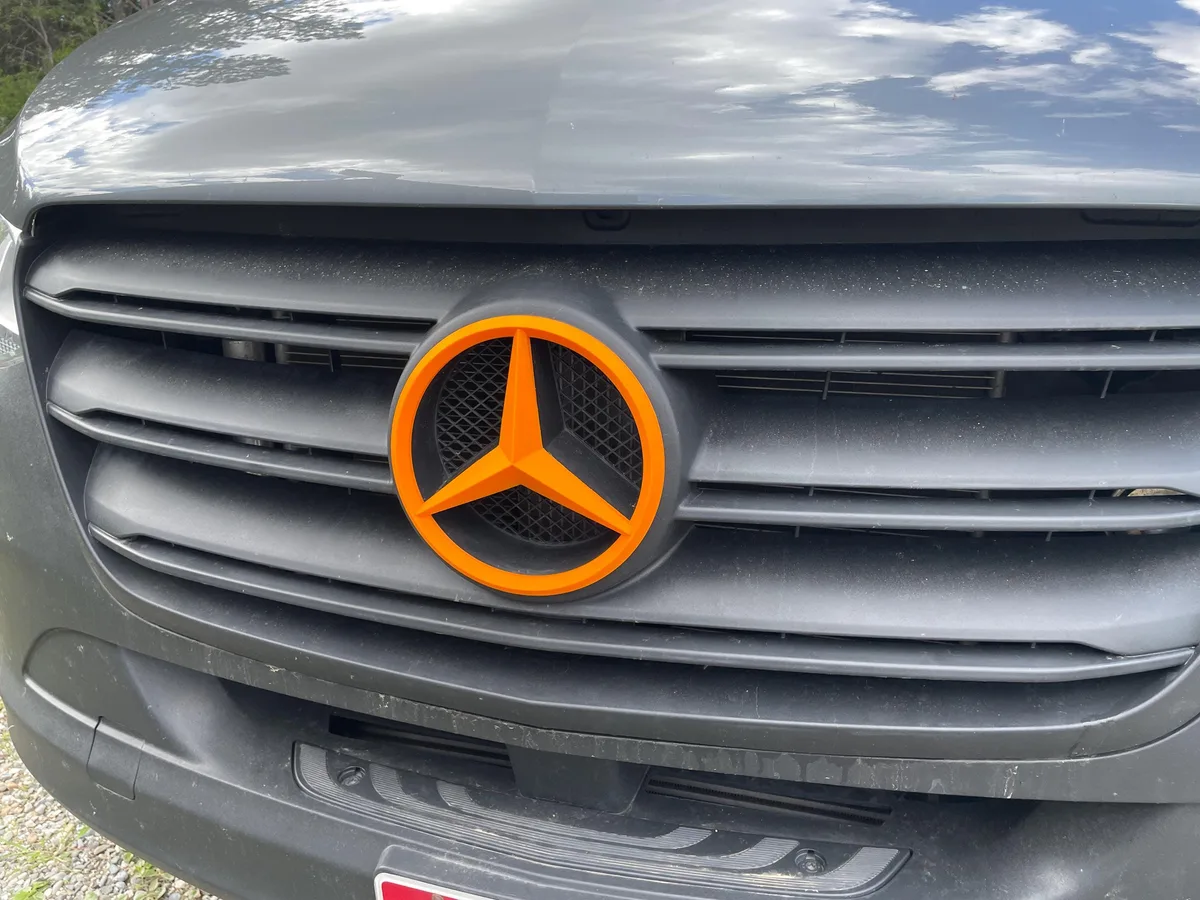 Emblems & Badges
Mercedes Sprinter Front Star Emblem Upgrade | Custom Hood Ornament for 2019+ Vans | Camper Accessory
4.9(18)from$39.99 -
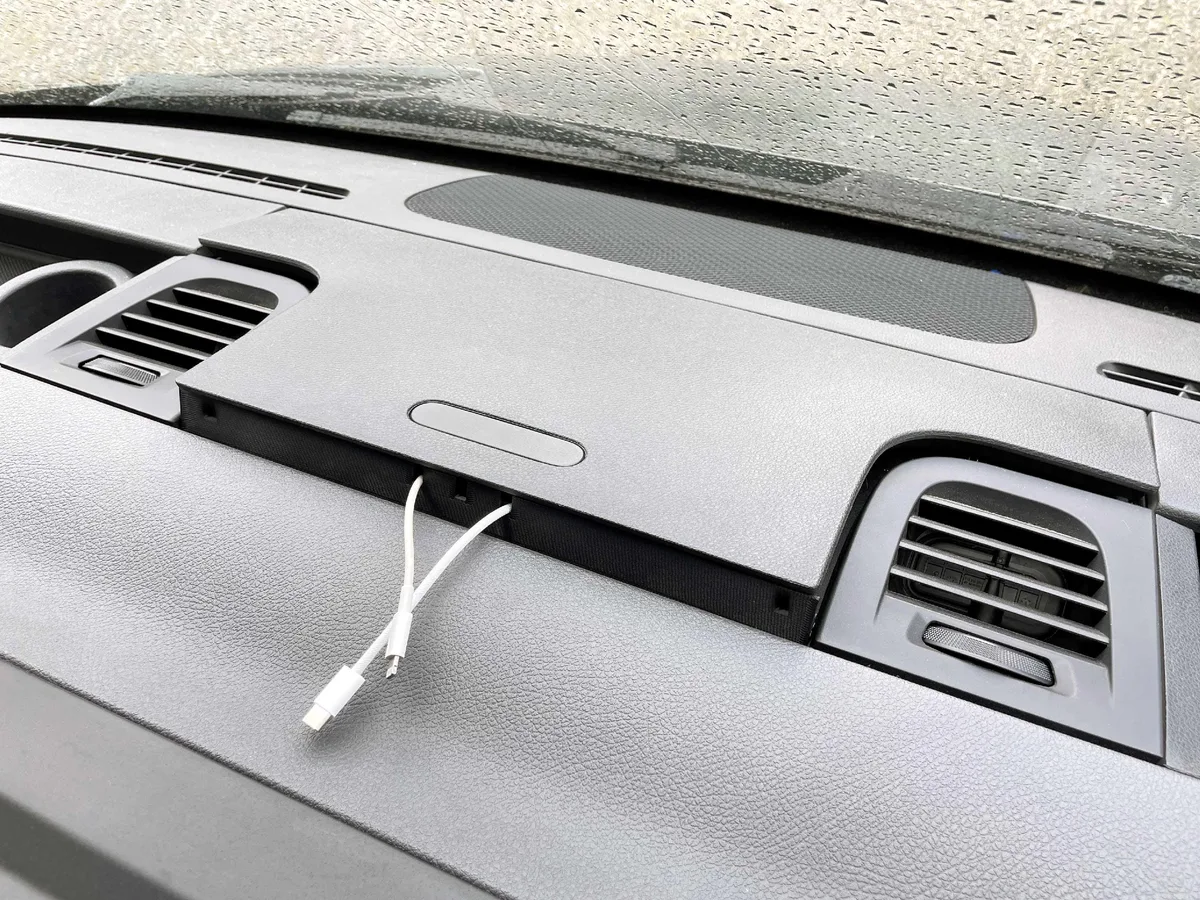 ★ Best seller Storage & Organization
Cable pass-through for the Mercedes Sprinter Van 2019+ | Windshield glove box storage compartment
4.8(9)from$34.99