Blog ·
Do Sprinter Vans Get Good Gas Mileage?
Learn what affects Sprinter fuel economy, calculate real MPG and cost per mile, and compare vans without mixing loads or gallon measurements.
A diesel Sprinter can use fuel efficiently for the space and work it provides, but there is no single MPG figure for the whole range. Engine, speed, height, drivetrain, load, idling, terrain, and modifications all affect the result.
Why one owner’s MPG may not match yours
A lightly loaded van on a steady highway route and a tall camper in mountain winds do very different work. Larger tires, roof racks, air conditioners, and high cruising speeds can change fuel demand. Frequent idling uses fuel while adding no road miles.
Check whether a quoted figure uses U.S. or imperial gallons. The same trip produces a numerically higher MPG result with imperial gallons, so international comparisons can mislead buyers.
Measure fuel economy consistently
Fill the tank, reset the trip distance, and record the gallons required at the next fill. Divide miles traveled by gallons added. Repeat over several tanks and comparable fill conditions, then calculate total miles divided by total gallons.
For example, 360 miles using 20 U.S. gallons equals 18 MPG. That is an arithmetic example, not a promise for a particular Sprinter. A dashboard estimate can be useful, but a consistent fuel log helps validate it.
Turn MPG into operating cost
Use this calculation:
Fuel cost per mile = price per gallon ÷ miles per gallon.
At a hypothetical $4.00 per gallon and 18 MPG, fuel costs about 22 cents per mile. At 14 MPG, the same fuel price produces about 29 cents per mile. The difference becomes meaningful when driving long distances.
Include empty return miles when estimating a business job. A good loaded-mile rate can still disappoint if a large part of the trip is unpaid.
How to compare vehicles fairly
Match capacity, route, speed, and payload. Do not compare an empty standard-roof van with a fully converted high-roof camper and attribute the difference entirely to engine quality.
Use Mercedes-Benz’s specifications to identify the actual configuration, then obtain representative fuel records or conduct a rental trial. Maintain correct tire pressure, avoid unnecessary roof drag, and plan routes efficiently. Fuel savings should be considered alongside maintenance, purchase price, and the work the vehicle can complete.
Related reading
— You might like
Featured products from this guide
-
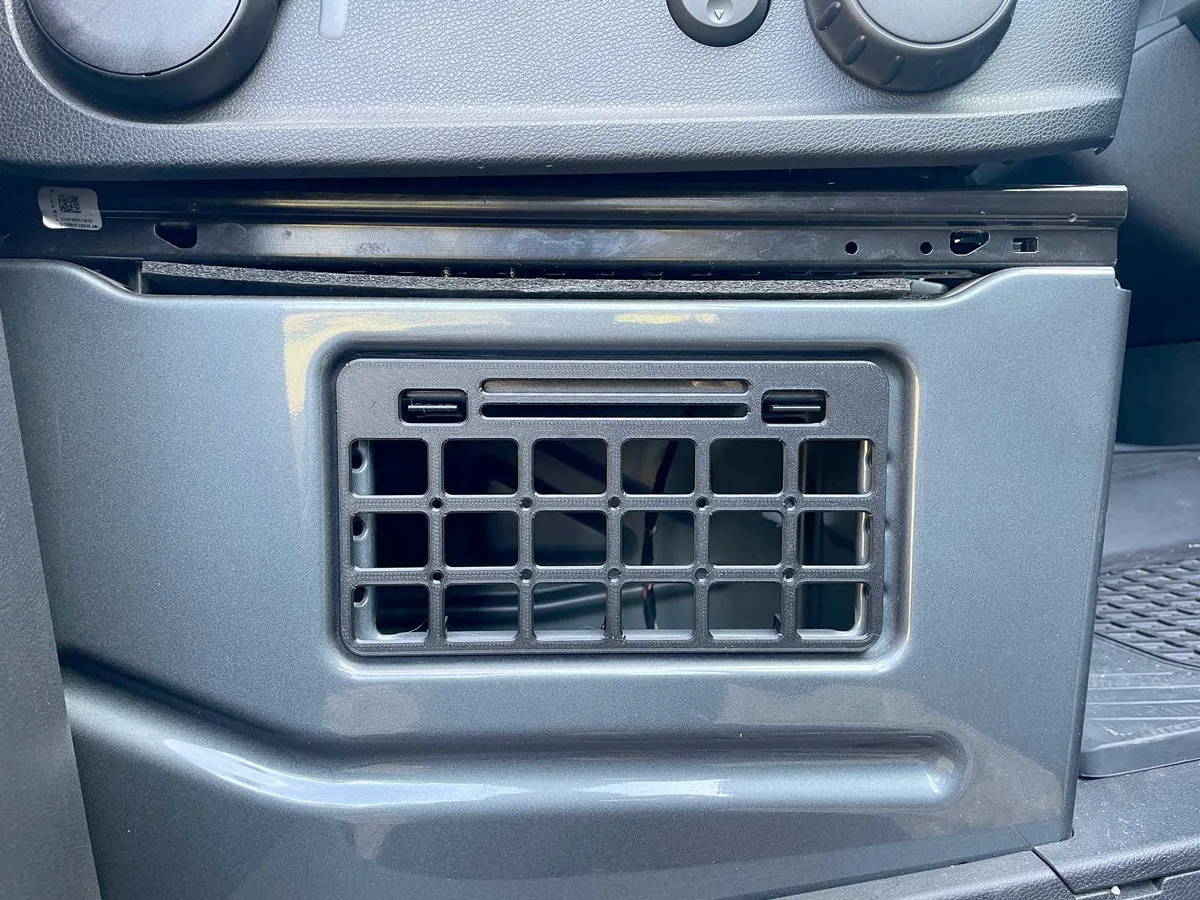 Storage & Organization
Mercedes Sprinter Van Vent and Molle Accessories Panel Seat Storage Cover 2019+
4.9(11)$24.99 -
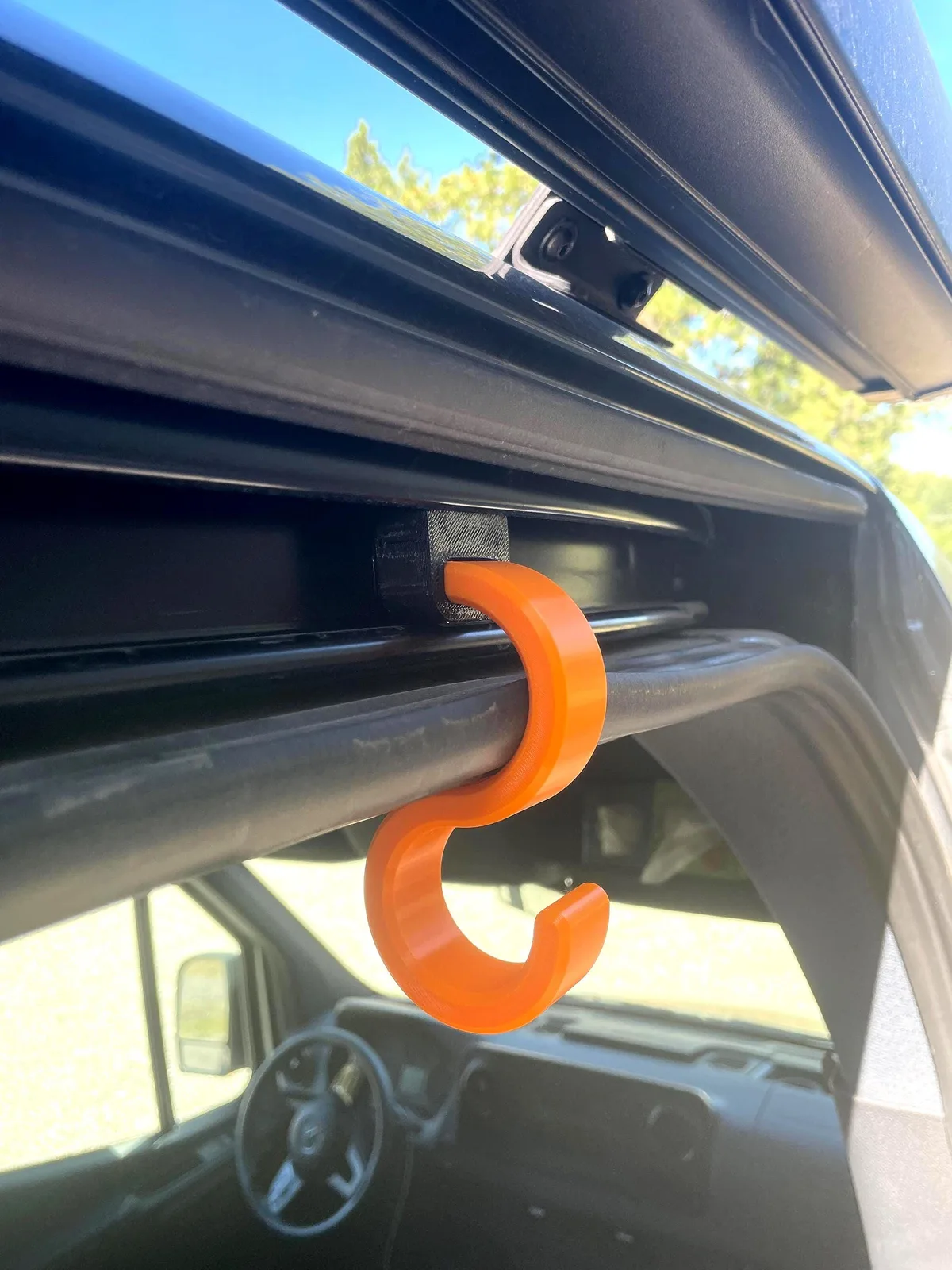 Door Hardware
Sliding Doorstop and Drying Hook for 2007+ Mercedes Sprinter Vans
5.0(9)from$24.99 -
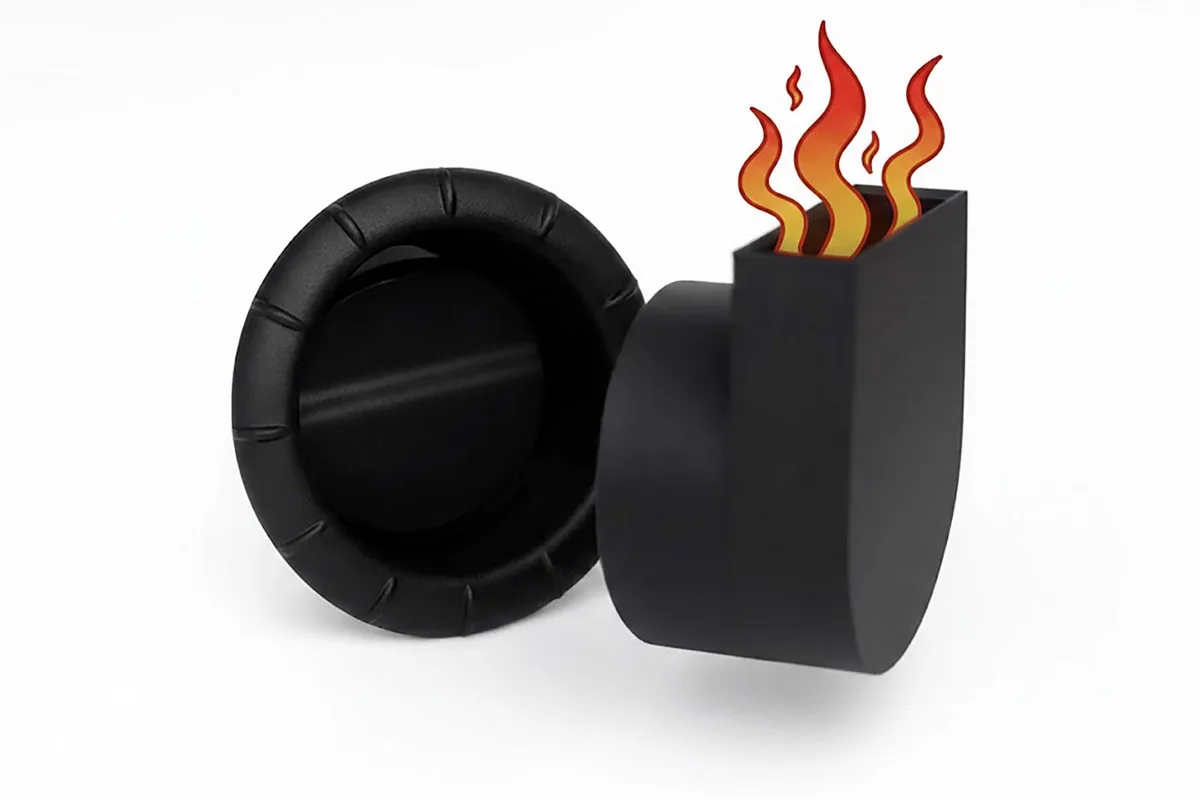 Climate & Ventilation
Adjustable Air Vent for Truma Combi used in Camper Vans, Boats
5.0(16)from$19.99