Blog ·
How Much Is A Maybach Sprinter Van?
Understand luxury and Maybach-style Sprinter pricing, converter versus factory branding, equipment costs, seating, warranties, and inspection priorities.
A vehicle advertised as a Maybach Sprinter is usually a specialist luxury conversion, so there is no single factory price established by that label. Verify the actual converter, chassis, equipment, and warranty, and do not assume the branding makes it an official Mercedes-Maybach model.
Establish what you are actually buying
Request the base vehicle VIN, converter’s legal name, model designation, itemized equipment list, and warranty documents. Decorative branding and luxury-style upholstery do not establish official factory status.
Mercedes-Benz’s upfitting resources describe the broader conversion ecosystem. A finished vehicle’s equipment and pricing must be confirmed with its actual builder or seller.
What drives a luxury conversion’s cost?
Powered seating, additional climate equipment, sound insulation, entertainment systems, cabinetry, partitions, lighting, and specialized electrical systems all add cost and weight. Installation quality and service support can be as important as the component list.
Confirm approved travel seating, luggage capacity, and remaining payload. A lounge that looks spacious while parked may provide fewer usable travel seats than an ordinary passenger van.
A hypothetical pricing breakdown
If a base van costs $65,000, the conversion costs $85,000, and extras and transaction charges add $15,000, the completed purchase is $165,000. This illustrates the arithmetic only; it is not a quoted price or market average for a Maybach-labeled vehicle.
Obtain a written total showing whether the chassis is included, which options are extra, and how deposits and progress payments work.
Inspect the experience, not only the finish
Test every seat, screen, shade, charging outlet, and climate zone. Listen for rattles on a road test. Check whether passengers can enter, exit, and access luggage comfortably. Ask where the vehicle can be serviced if a custom component fails.
For a used example, verify ownership of connected accounts and remote controls. Assess the chassis separately from the conversion; a polished cabin does not prove good mechanical history.
Choose the vehicle whose documented build and service arrangements support your intended use. Pay for verified equipment and workmanship rather than an impressive name in a listing.
Related reading
— You might like
Featured products from this guide
-
 Emblems & Badges
Mercedes Sprinter Van Personalized Rear Door Emblem
4.8(21)from$39.99 -
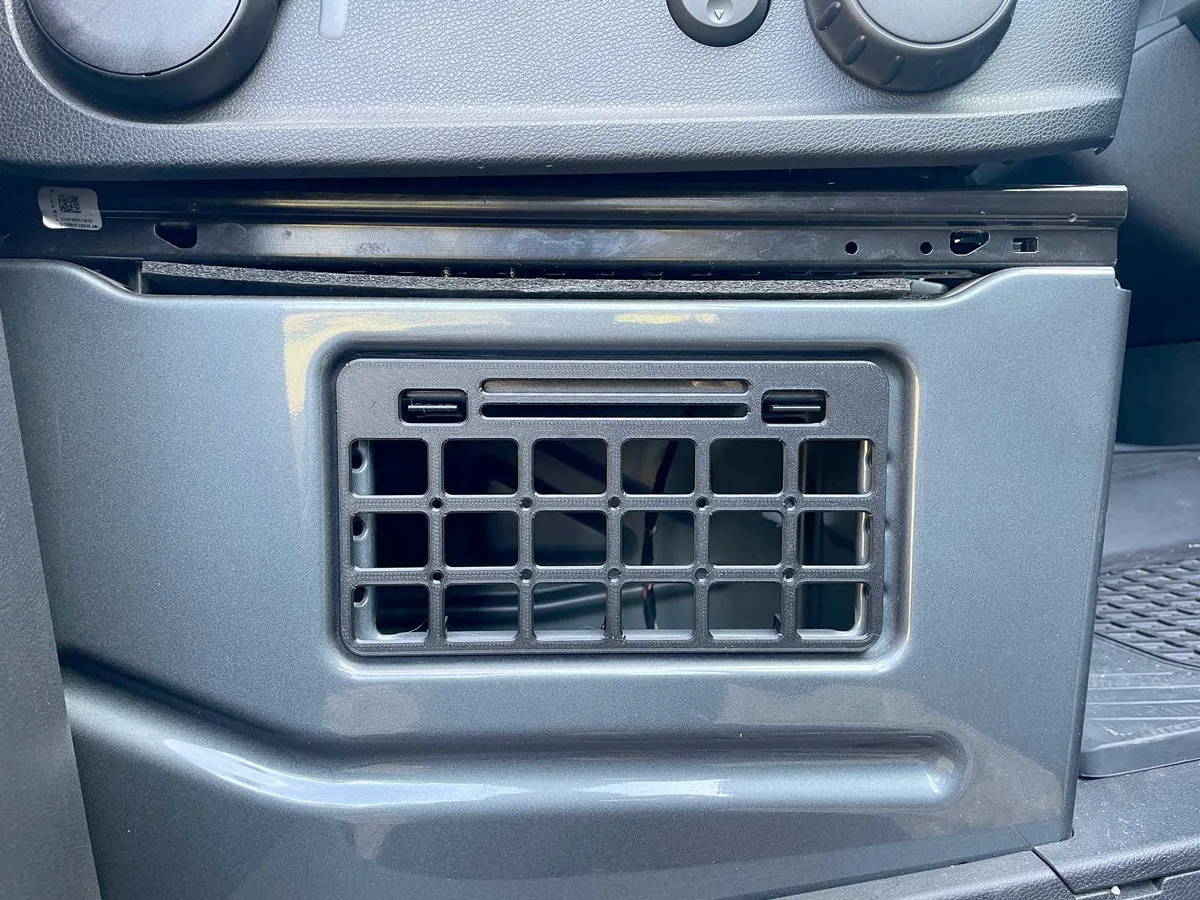 Storage & Organization
Mercedes Sprinter Van Vent and Molle Accessories Panel Seat Storage Cover 2019+
4.9(11)$24.99 -
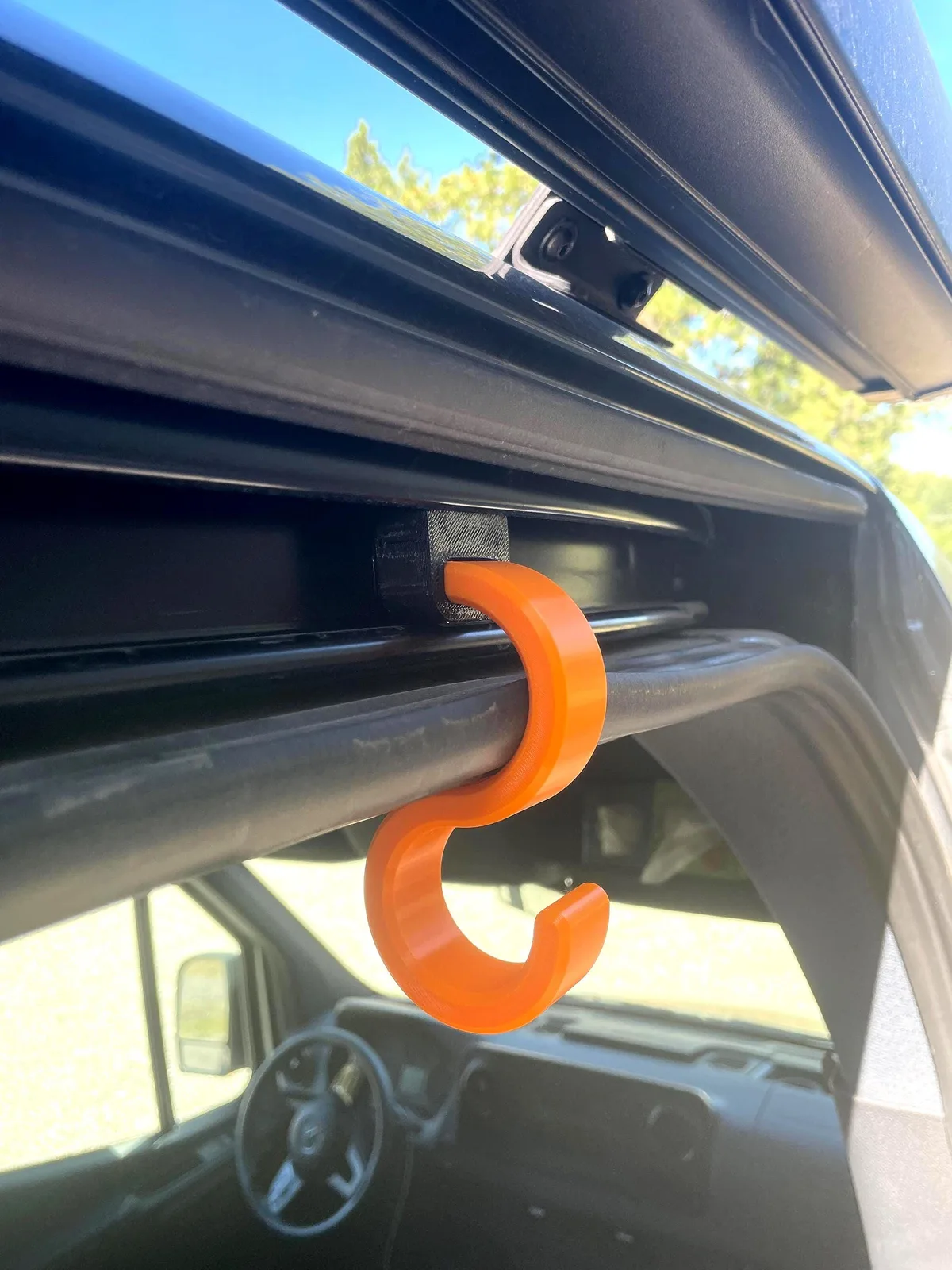 Door Hardware
Sliding Doorstop and Drying Hook for 2007+ Mercedes Sprinter Vans
5.0(9)from$24.99