Blog ·
Why Is a Sprinter Van Called a Sprinter Van?
Understand why the van is called a Sprinter, how the model name became generic shorthand, and why precise naming matters for buying and rentals.
It is called a Sprinter because Sprinter is Mercedes-Benz’s model name for this van family. The name is associated with a vehicle introduced in Europe in 1995; it is not a technical classification for every tall cargo or passenger van.
A model name that became everyday shorthand
People sometimes call any tall commercial van a “sprinter,” much as they use a familiar product name for a wider category. In a vehicle specification, however, Sprinter identifies the Mercedes-Benz family and its historical badged versions.
Mercedes-Benz’s official van history records the model’s 1995 European launch. That documented history is different from guessing why a marketing team selected the word. This article does not claim an unverified internal naming story.
Does the name mean it is built for speed?
A name is not a performance specification or an instruction to drive quickly. The van’s practical purpose is transporting people, goods, or installed equipment. Load, braking, tires, road conditions, and the actual vehicle limits remain the relevant driving considerations.
For a buyer, the name tells you much less than the roof, wheelbase, engine, payload, and seating arrangement.
Why precise naming helps
A Ford Transit or Ram ProMaster is not a Mercedes-Benz Sprinter, even if a rental advertisement uses the term casually. Different models can have different interior dimensions, fuel types, service needs, and towing limits.
When reserving a rental, ask whether the company guarantees a Mercedes-Benz Sprinter or only a similar van class. When ordering parts, use the VIN and engine information instead of a broad description.
Describing a converted van
A camper or luxury vehicle can retain the Sprinter base while displaying a converter’s brand. Describe both identities when seeking insurance, service, or replacement equipment.
The most useful description includes make, model year, body type, wheelbase, drivetrain, and any conversion. That avoids confusing a product name with a promise about equipment or capacity. The badge begins the identification process; it does not finish it.
Related reading
— You might like
Featured products from this guide
-
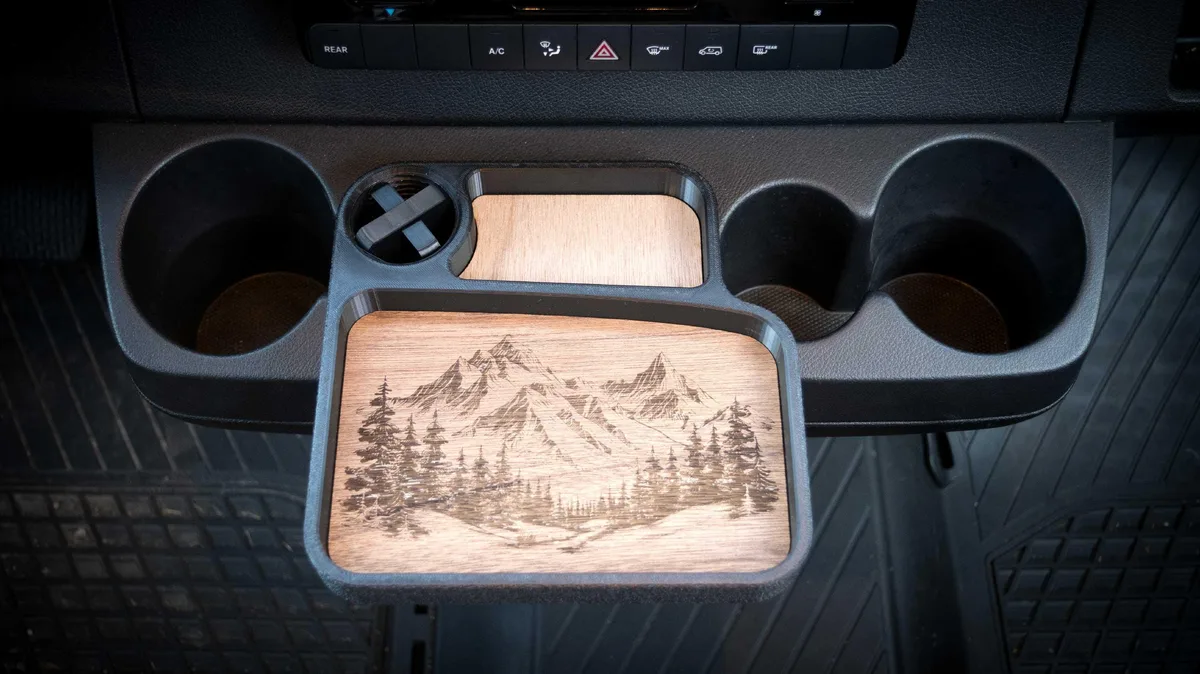 ★ Best seller Storage & Organization
Mercedes Sprinter Catch All Tray for Cup Holder Organization
4.8(11)from$39.99 -
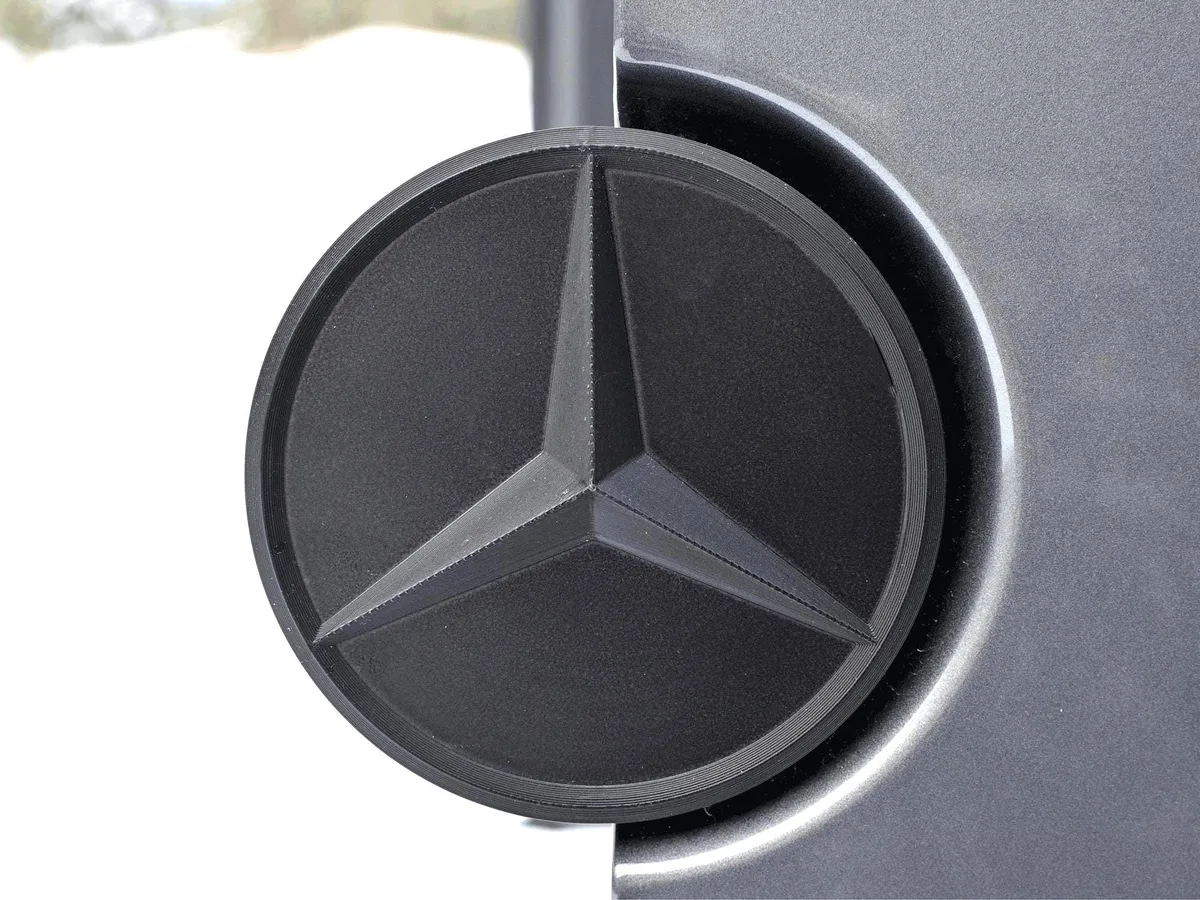 Emblems & Badges
Mercedes Sprinter Van Rear Door Flat Black Star Emblem 2007+
4.8(11)$39.99 -
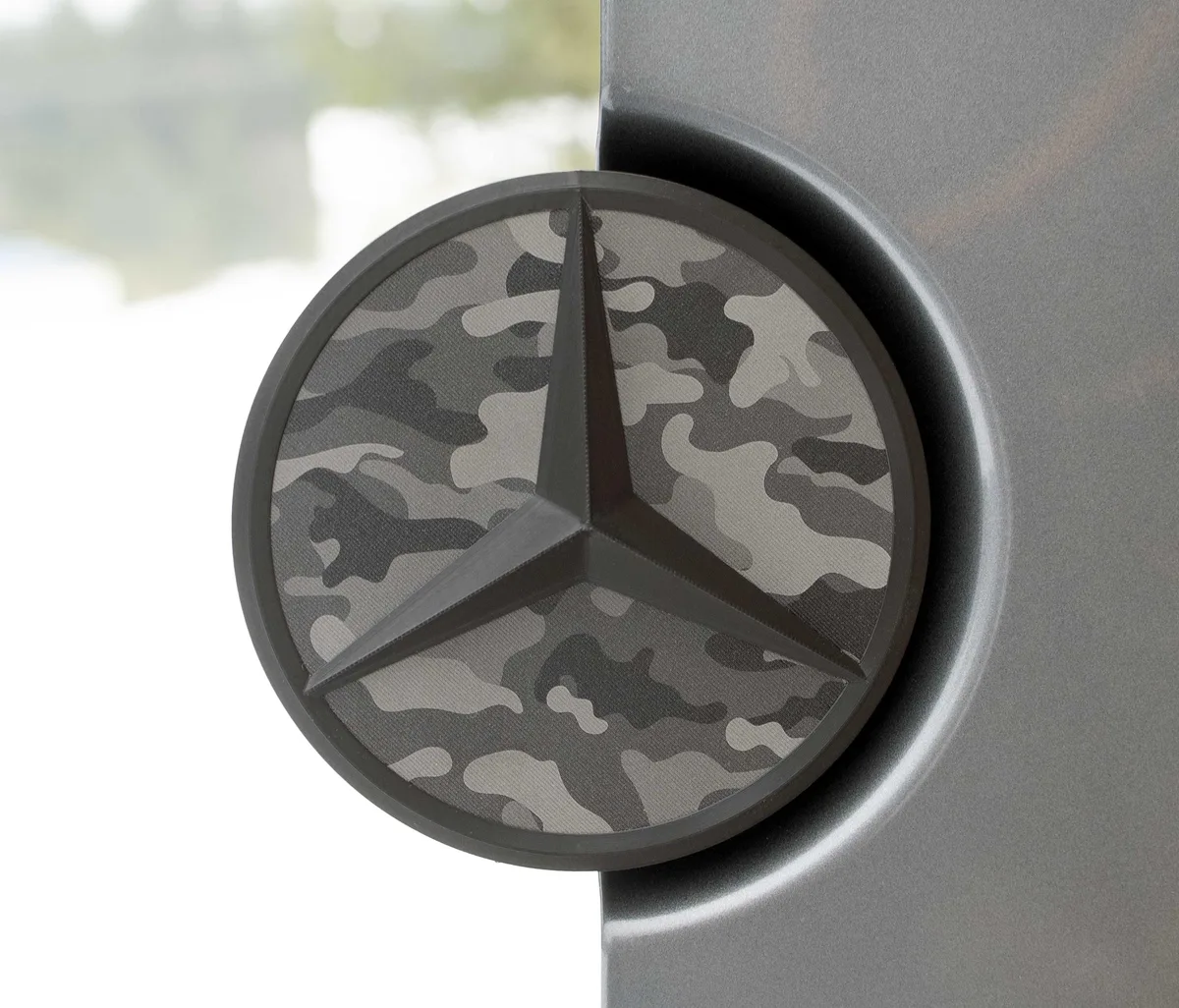 Emblems & Badges
Camo Rear Door Emblem for the Mercedes Sprinter Vans 2007+
4.9(11)$39.99