Blog ·
Do Sprinter Vans Need A DOT Number?
Check when a Sprinter needs a USDOT number, including weight, passenger, interstate-commerce, hazardous-material, and state registration factors.
A Sprinter may need a USDOT number when used in qualifying commercial operations. The requirement depends on weight ratings or actual weight, passengers, hazardous materials, interstate commerce, and applicable state rules—not simply the Sprinter name.
Federal criteria to check
For interstate commercial operations, a key weight threshold is 10,001 pounds or more using the applicable vehicle or combination rating or actual weight, whichever governs. Passenger operations can trigger requirements at lower vehicle weights, including more than eight people including the driver when transported for compensation. Hazardous-material rules can also apply. Review FMCSA’s current criteria.
Interstate commerce is not limited to a van physically crossing a state line. A local leg of a shipment can form part of interstate movement. Evaluate the operation as well as the vehicle.
Why two Sprinters can have different obligations
A lighter van used privately for camping is different from a heavier cargo van hauling business freight. A passenger shuttle can raise requirements based on passenger capacity and payment rather than freight weight.
Adding a trailer can also change the analysis. Have the van and trailer ratings, actual loaded weights, and description of the work available before deciding whether an exemption applies.
A USDOT number is not the whole process
An identifying number does not by itself establish that a carrier has every authorization needed for its work. Operating authority, insurance filings, driver qualifications, and state registration may be separate issues. FMCSA’s getting-started guidance distinguishes registration from operating authority.
For-hire interstate work deserves a separate authority review even when someone claims the van is “under DOT weight.” Do not buy a vehicle based solely on that sales phrase.
A practical verification checklist
Record the VIN, ratings, passenger capacity, cargo, compensation arrangement, and route. Use FMCSA’s registration process and contact the relevant state agency about intrastate requirements. Keep the resulting credentials current as the business changes.
Check these requirements before accepting a shipment or paid passenger trip. A broker’s onboarding approval, a rental agreement, or an insurance quote does not automatically settle every regulatory obligation.
Related reading
— You might like
Featured products from this guide
-
 Storage & Organization
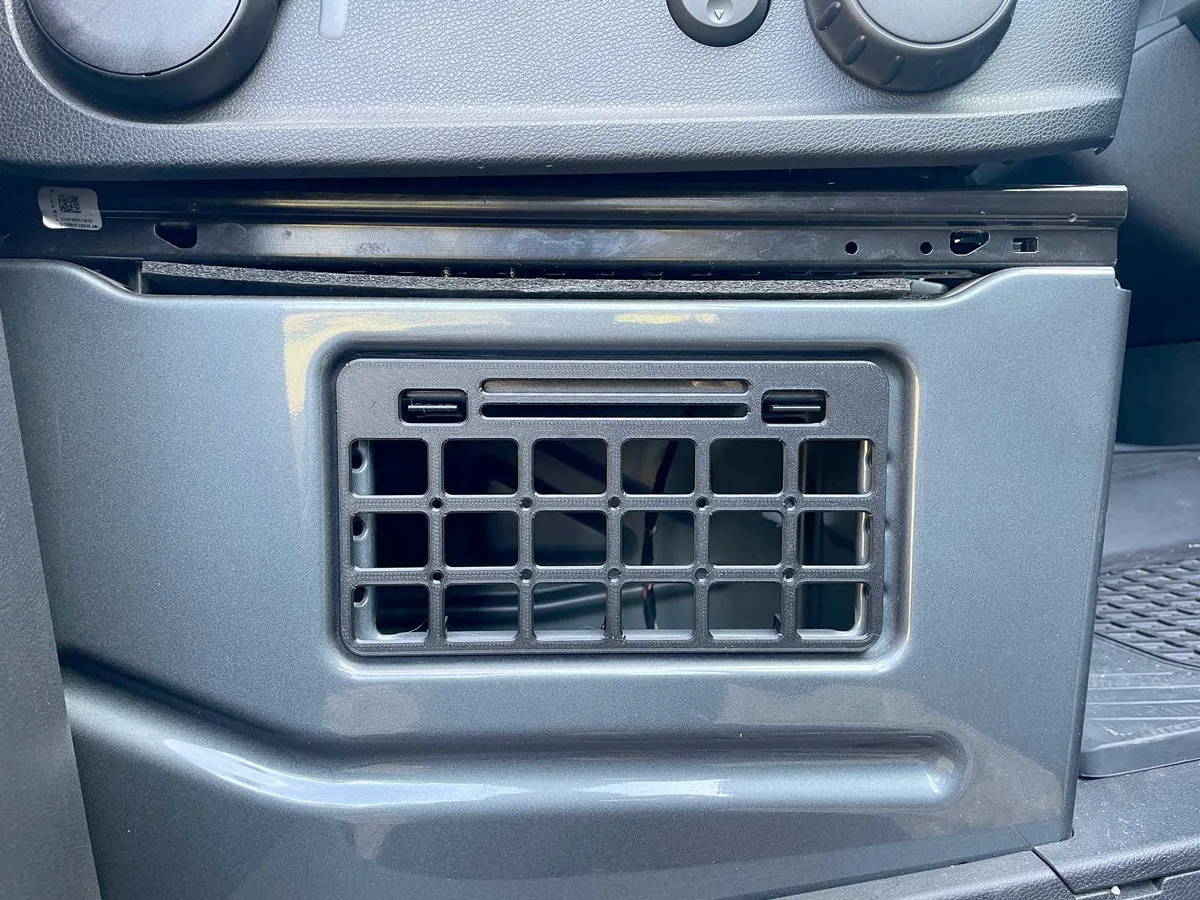
Mercedes Sprinter Van Vent and Molle Accessories Panel Seat Storage Cover 2019+
4.9(11)$24.99 -
 ★ Best seller Phone Mounts
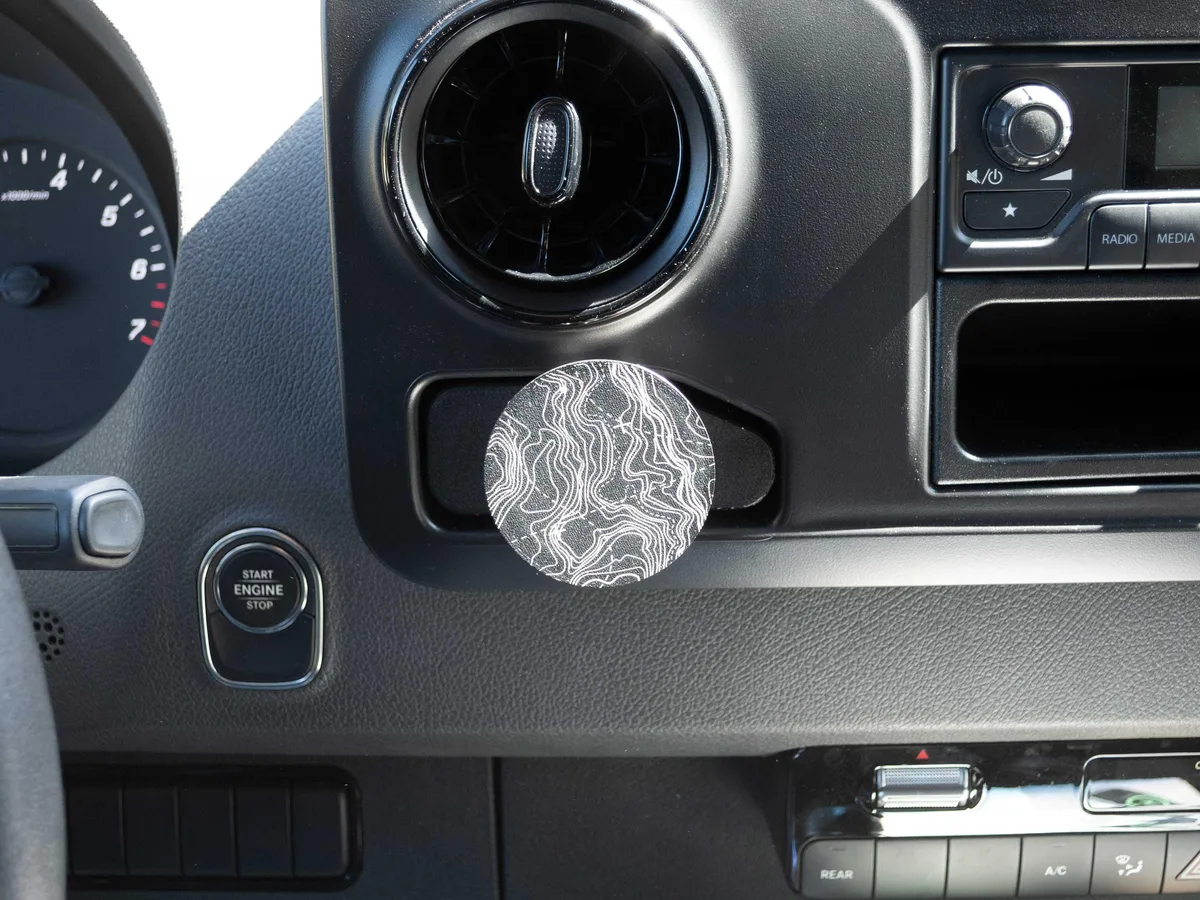
Phone Holder or Charger for Mercedes Sprinter Vans
4.9(11)from$39.99 -
 New Accessories
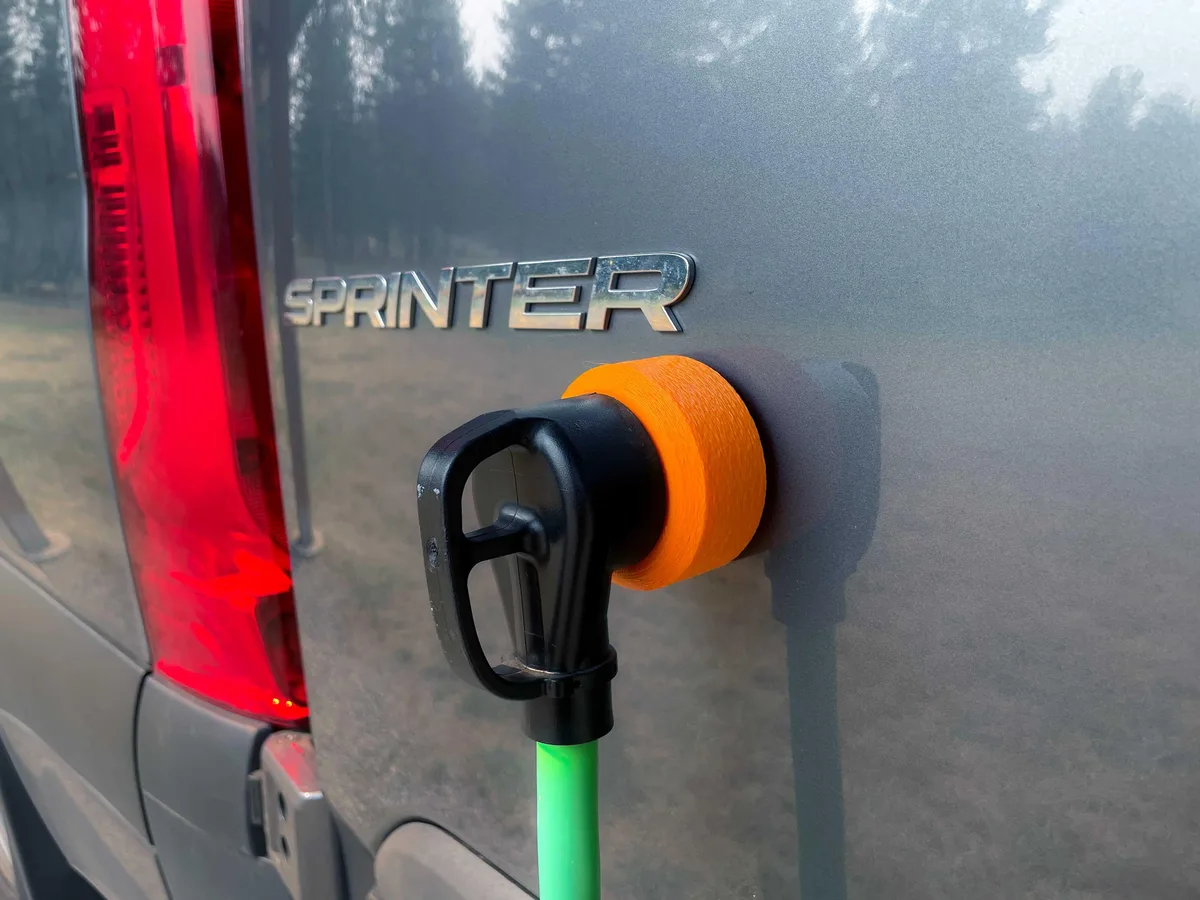
RV Plug Universal Wall Mount – Holder & Adapter Storage for 50A, 30A, 15A Plugs
from$24.99